
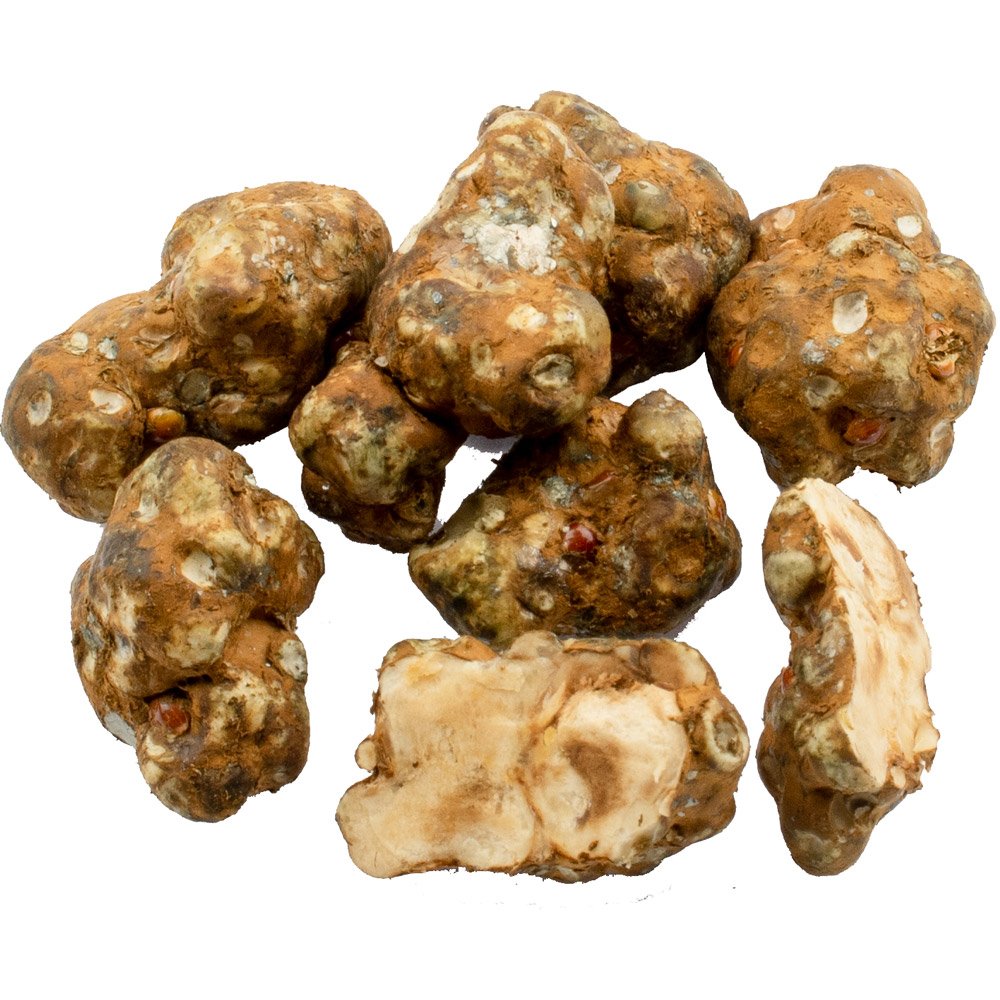
Space Shuttles Magic truffles
324.03$
Space Shuttles Magic Truffles: Origin, Characteristics, and Mycology Interest
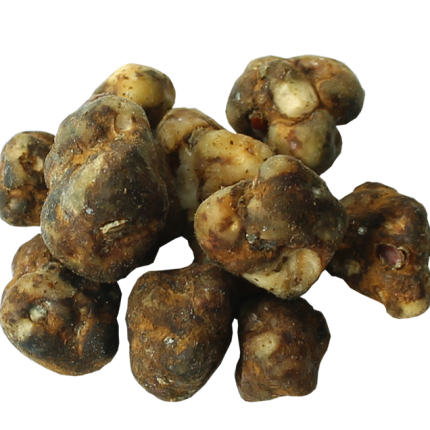
The term Space Shuttles Magic Truffles is commonly used in mycology communities to describe a type of fungal sclerotia produced by certain mushroom species. Unlike traditional mushrooms that grow above the ground, these truffle-like formations develop underground as dense nutrient storage structures.
Sclerotia are fascinating biological adaptations that allow fungi to survive challenging environmental conditions. These compact formations store nutrients that help the fungus endure periods of drought, cold, or limited food sources.
Studying structures like these helps scientists understand fungal survival strategies, genetic diversity, and the life cycle of certain mushroom species.
What Are Space Shuttles Magic Truffles?
Space Shuttles Magic Truffles refer to a type of sclerotia formed by fungi in the Psilocybe genus. Sclerotia are hardened masses of fungal mycelium that grow underground.
Unlike typical mushrooms, which form visible fruiting bodies above the soil, sclerotia remain beneath the surface. These structures serve as survival mechanisms that allow fungi to store nutrients and remain dormant until environmental conditions improve.
When the environment becomes favorable again, the fungus can continue its growth cycle.
How Space Shuttles Magic Truffles Form
The formation of Space Shuttles Magic Truffles begins with the growth of fungal mycelium. Mycelium is the network of microscopic threads that make up the main body of a fungus.
As the mycelium spreads through organic material, it absorbs nutrients and expands its network. Under certain conditions, the fungus begins to form dense clusters of mycelium that gradually develop into sclerotia.
These clusters become compact and hardened over time, forming truffle-like structures that contain stored nutrients.
This process helps the fungus survive periods when environmental conditions are not ideal for mushroom growth.
Characteristics of Space Shuttles Magic Truffles
Several characteristics are commonly associated with Space Shuttles Magic Truffles.
These may include:
-
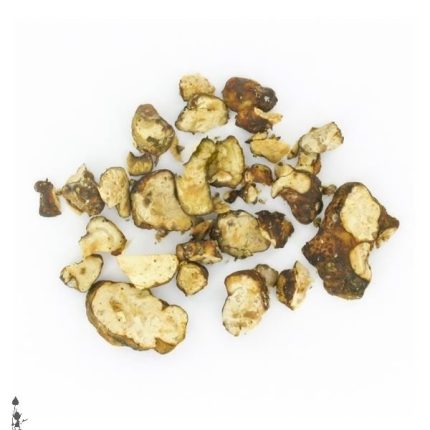
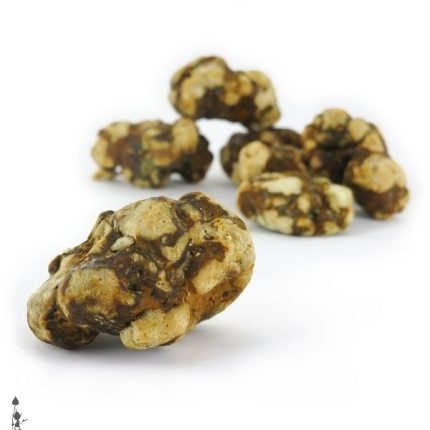
a compact and irregular shape
-
a firm texture compared to typical mushrooms
-
growth below the surface of the substrate
-
connection to a network of mycelium
Because these formations develop underground, they often remain hidden until the surrounding material is examined.
Their structure makes them an interesting subject of study for mycologists.
The Role of Mycelium in Truffle Development
Mycelium plays a crucial role in the development of Space Shuttles Magic Truffles. This network of microscopic fungal threads spreads through organic material and absorbs nutrients.
Mycelium performs several important functions:
-
breaking down organic matter
-
recycling nutrients in ecosystems
-
supporting fungal growth
-
forming structures such as mushrooms or sclerotia
In natural environments, mycelium networks can extend across large areas of soil, connecting plant roots and helping maintain healthy ecosystems.
Importance of Fungi in Ecosystems
Fungi are essential organisms in many ecosystems. They help break down organic material and recycle nutrients back into the soil.
Without fungi, many ecosystems would struggle to maintain healthy nutrient cycles.
Fungi contribute to ecosystems by:
-
decomposing plant material
-
recycling nutrients in soil
-
supporting plant root systems
-
maintaining ecological balance
Because of these roles, fungi are considered critical for environmental stability.
Mycology and the Study of Fungal Diversity
Mycology is the scientific study of fungi. Researchers in this field investigate how fungi grow, reproduce, and interact with their environments.
Studying structures such as Space Shuttles Magic Truffles helps scientists learn about fungal survival strategies and genetic diversity.
Key areas of mycology research include:
-
fungal genetics
-
ecosystem relationships
-
environmental adaptation
-
biodiversity of fungal species
Fungi are among the most diverse organisms on Earth, and scientists continue discovering new species every year.
Responsible Learning About Fungi
Anyone interested in fungi should approach the subject with scientific curiosity and responsibility. Accurate identification and careful observation are essential when studying mushrooms and fungal structures.
Responsible mycology research involves:
-
studying reliable scientific resources
-
observing fungi in natural environments
-
respecting environmental regulations
-
promoting education and conservation
Learning about fungi helps people appreciate the complex roles these organisms play in the natural world.
Final Thoughts
Space Shuttles Magic Truffles represent an interesting example of how fungi adapt to challenging environmental conditions. Their ability to form underground nutrient storage structures demonstrates the remarkable survival strategies of fungal organisms.
Related products
Reviews
There are no reviews yet.