
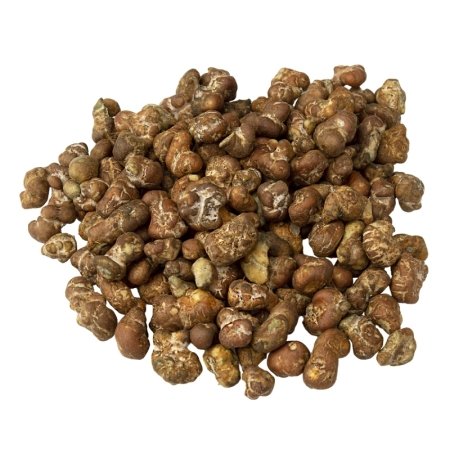

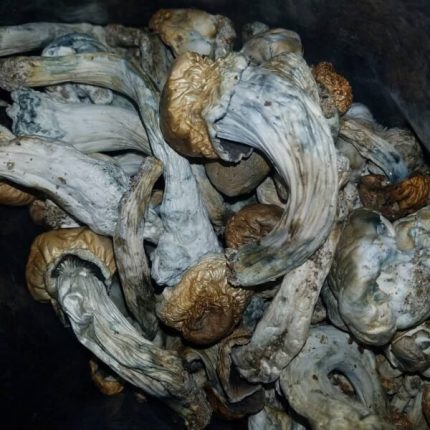
Mystery Mix Purple
358.75$
Mystery Mix Purple: Origin, Characteristics, and Mycology Interest
The world of fungi is full of fascinating species and unique variations. Among the many names that appear in mycology discussions is Mystery Mix Purple, a term often used to describe a mushroom variety known for its distinctive coloration and unusual genetic background.
Mycologists and mushroom enthusiasts are often interested in unusual fungal variations because they reveal how diverse and adaptable fungi can be. Understanding different mushroom varieties helps scientists explore fungal genetics, evolution, and environmental adaptation.
In this article, we examine the background, characteristics, and scientific interest surrounding this unusual mushroom variety.
1. What Is Mystery Mix Purple?
The name Mystery Mix Purple usually refers to a mushroom variety with purple coloration or traits associated with purple-toned spores or caps. In fungal communities, names like this are often used informally to describe unique or mixed genetic variations.
The word “mystery” often suggests that the exact origin or genetic lineage of the mushroom may not be fully documented. This sometimes happens when spores or cultures are collected from different sources and later show unusual characteristics.
Because fungi reproduce through spores, genetic diversity can lead to surprising color variations or growth patterns.
2. Purple Coloration in Mushrooms
Purple tones in mushrooms are not extremely common but do appear in several fungal species. The coloration may come from pigments produced during the mushroom’s development.
These pigments can serve several biological purposes, including:
-
Protection from environmental stress
-
Attraction of insects that assist in spore distribution
-
Chemical defense mechanisms
In some cases, the purple color may appear more strongly under certain environmental conditions such as light exposure or humidity levels.
Studying these pigments helps researchers understand how fungi interact with their environment.
3. Mushroom Genetics and Variation
Fungi are known for their incredible genetic diversity. Even mushrooms belonging to the same species can show noticeable differences.
Genetic variation can affect:
-
color of the cap
-
size of the mushroom
-
shape of the stem
-
growth rate of the mycelium
When spores mix from different sources, new genetic combinations may produce unexpected traits. This is one reason unusual varieties sometimes appear in mycology communities.
Studying these variations helps scientists understand how fungi evolve.
4. The Role of Mycelium
Before mushrooms appear above ground, the organism exists primarily as mycelium. Mycelium is a network of microscopic threads that spread through soil or organic material.
This network serves as the main body of the fungus.
Mycelium performs several important functions:
-
absorbing nutrients from organic matter
-
supporting mushroom growth
-
recycling nutrients in ecosystems
-
forming complex underground networks
In forest environments, mycelium often interacts with plant roots and contributes to healthy soil ecosystems.
5. Why Mycologists Study Unusual Mushroom Varieties
Rare or unusual mushroom varieties attract attention because they help scientists understand fungal biology and evolution.
Studying unique varieties can reveal:
-
how fungi adapt to environmental changes
-
how genetic mutations occur
-
how fungi develop new physical characteristics
These discoveries contribute to the broader understanding of biodiversity within the fungal kingdom.
Fungal research continues to expand as scientists discover new species and variations around the world.
6. Importance of Fungi in Ecosystems
Fungi are among the most important organisms on Earth. They play a key role in maintaining healthy ecosystems.
Their ecological functions include:
-
decomposing organic matter
-
recycling nutrients in soil
-
supporting plant growth
-
maintaining ecosystem balance
Without fungi, natural environments would struggle to process organic material efficiently.
Because of their ecological importance, scientists continue to study fungi to understand how ecosystems function.
7. Diversity Within the Fungal Kingdom
The fungal kingdom contains millions of species, although only a small percentage have been fully studied.
Fungi can be found in many environments, including:
-
forests
-
grasslands
-
deserts
-
tropical climates
Some fungi grow as mushrooms, while others exist as molds or microscopic organisms.
This diversity makes fungi one of the most fascinating groups of organisms in biology.
Mycology: The Science of Fungi
Mycology is the scientific study of fungi. This field includes research into mushroom biology, fungal genetics, and ecological relationships.
Mycologists often study:
-
fungal growth cycles
-
spore formation
-
interactions with plants
-
environmental adaptation
Advances in technology are helping scientists analyze fungal genetics more accurately than ever before.
As research continues, scientists are discovering new fungal species and learning more about their roles in nature.
Responsible Learning About Mushrooms
People interested in mushrooms should approach the subject with curiosity and caution. Many species look similar but may have different biological properties.
Learning about fungi responsibly involves:
-
studying reliable mycology resources
-
learning mushroom identification
-
observing fungi in natural environments
-
respecting environmental regulations
Education and scientific observation are essential for understanding fungi safely and accurately.
Final Thoughts
Mystery Mix Purple represents the kind of intriguing fungal variation that captures the interest of mycology communities. Whether the name refers to a specific strain or an unusual genetic mix, it highlights how diverse mushrooms can be.
Studying these variations helps scientists better understand fungal genetics, environmental adaptation, and biodiversity.
Related products

Reviews
There are no reviews yet.