
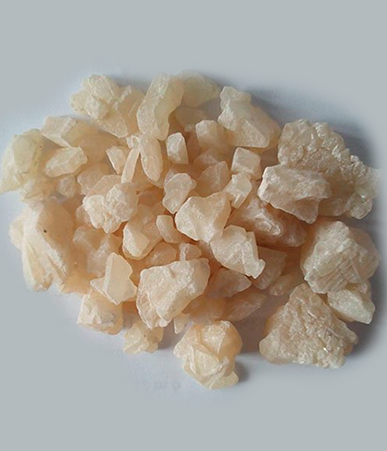
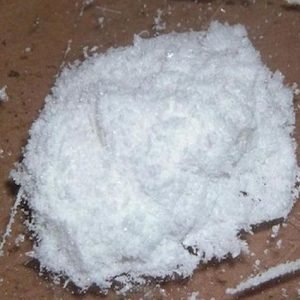
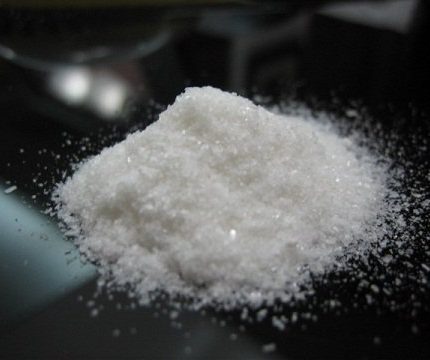
Methylone (bk-MDMA) Crystals
243.02$
Methylone (bk-MDMA): Background, Effects, and Scientific Interest
Methylone (bk-MDMA) is a synthetic compound that belongs to a group of chemicals known as synthetic cathinones. These substances are structurally related to cathinone, a natural stimulant found in the khat plant.
Chemists first synthesized methylone in the late twentieth century while researching compounds related to stimulant and empathogenic substances. Because of its chemical structure and effects on neurotransmitters, it attracted interest in pharmacological studies.
Over time, governments around the world placed restrictions on the substance because of concerns about safety and misuse.
Understanding the chemistry and risks of substances like methylone helps scientists and health professionals better understand how synthetic stimulants affect the human body.
Chemical Classification
The compound Methylone (bk-MDMA) belongs to the class of chemicals called synthetic cathinones.
Synthetic cathinones are laboratory-created compounds that are chemically related to cathinone. They often share structural similarities with amphetamines and other stimulant compounds.
These substances typically affect neurotransmitters in the brain such as:
-
dopamine
-
serotonin
-
norepinephrine
Changes in these neurotransmitters can influence mood, energy levels, and perception.
Scientists study these chemical interactions to understand how different molecules affect the nervous system.
Chemical Structure
The name bk-MDMA refers to the molecular structure of methylone.
The abbreviation “bk” stands for beta-keto, indicating a ketone group in the molecular structure. This structural difference distinguishes methylone from MDMA even though the compounds share similarities.
Small changes in chemical structure can significantly affect how a substance interacts with the brain.
Chemists often analyze these structural differences to understand how synthetic compounds produce different pharmacological effects.
History of Discovery
The compound was first synthesized by chemists researching compounds related to psychoactive stimulants.
During the early 2000s, synthetic cathinones became more widely known in scientific and public health discussions. Researchers began studying their pharmacology, toxicity, and potential health risks.
As knowledge about these compounds expanded, many governments introduced regulations to control their distribution and use.
Today, methylone is widely recognized as a controlled substance in many countries.
Effects on the Brain
Studies suggest that Methylone (bk-MDMA) influences several neurotransmitter systems in the brain.
These neurotransmitters are involved in regulating mood, energy, and emotional responses.
Researchers believe the compound interacts with transport proteins responsible for moving neurotransmitters between neurons.
Because neurotransmitter balance plays a crucial role in brain function, substances affecting these systems can produce strong physiological and psychological effects.
Understanding these interactions is important for neuroscience research.
Potential Health Risks
Health experts have expressed concerns about synthetic cathinones because their safety profiles are often poorly understood.
Possible risks associated with stimulant-type substances may include:
-
increased heart rate
-
elevated blood pressure
-
anxiety or agitation
-
overheating or dehydration
Because synthetic compounds may vary in purity and dosage, their effects can be unpredictable.
Public health researchers study these substances to better understand their potential impact on human health.
Legal Status
Many countries have classified Methylone (bk-MDMA) as a controlled substance.
Governments introduced these regulations because of concerns about safety and the potential for misuse.
Drug laws vary by country, but many regions have adopted legislation to regulate synthetic cathinones.
Researchers working with controlled substances must follow strict legal guidelines and regulatory approval processes.
Importance of Scientific Research
Studying synthetic compounds helps scientists better understand how chemicals interact with the human body.
Research into substances like methylone contributes to several fields, including:
-
pharmacology
-
neuroscience
-
toxicology
-
public health
Understanding the mechanisms of these compounds can help researchers develop better treatments for substance-related health issues.
Scientific research also helps governments and health organizations create informed policies about emerging substances.
Harm Reduction and Public Awareness
Public education plays an important role in addressing risks associated with synthetic substances.
Providing accurate scientific information helps people understand:
-
potential health risks
-
legal consequences
-
the importance of evidence-based research
Health organizations often emphasize awareness and prevention strategies to reduce harm associated with unknown or experimental substances.
Final Thoughts
Methylone (bk-MDMA) is a synthetic cathinone that has been studied for its chemical structure and its effects on neurotransmitter systems in the brain. Although originally explored in pharmacological research, concerns about safety and misuse led many countries to regulate the compound.
Understanding the science behind substances like methylone helps researchers, health professionals, and policymakers better understand the risks associated with synthetic stimulants.
Related products

Buy Ephedrine Powder
219.88$ 2,979.92$Price range: 219.88$ through 2,979.92$
Buy Tramadol Powder
99.52$ 1,249.83$Price range: 99.52$ through 1,249.83$
Buy Bromazolam Pellets 3mg
52.08$ 839.01$Price range: 52.08$ through 839.01$
Buy Norflurazepam Pellets 5mg
60.18$ 231.45$Price range: 60.18$ through 231.45$
Buy Gidazepam pellets 3mg
57.86$ 202.52$Price range: 57.86$ through 202.52$
Reviews
There are no reviews yet.