

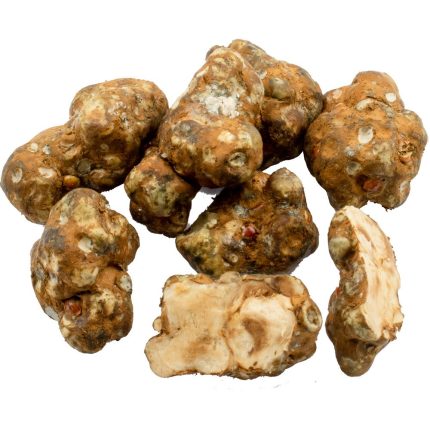
Magicbox Equadorian
35.00€
Magicbox Equadorian: Origin, Characteristics, and Mycology Interest
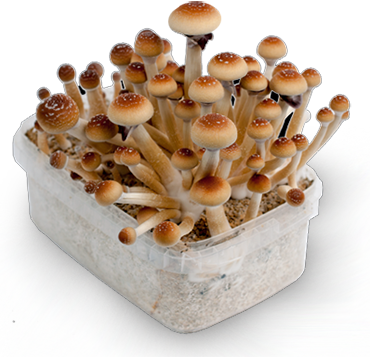
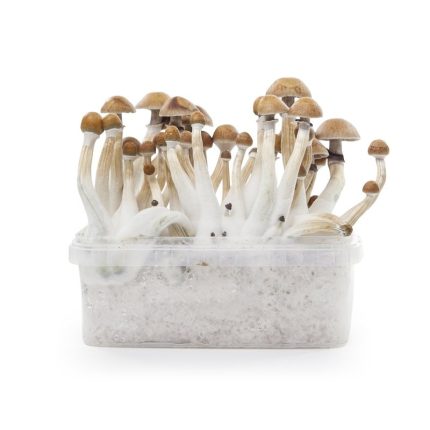
The Magicbox Equadorian is a mushroom grow kit associated with the Ecuadorian variety of Psilocybe cubensis. Grow kits like this are commonly discussed in mycology communities because they allow people to observe the fascinating life cycle of fungi in a controlled environment.
The Ecuadorian variety of cubensis mushrooms is known for its association with regions of Ecuador, where warm climates and rich organic environments provide suitable conditions for fungal growth. Because of this background, the variety has become widely recognized in discussions about mushroom strains.
Understanding grow kits and mushroom varieties helps researchers and enthusiasts explore fungal biology, genetics, and ecological roles.
What Is the Magicbox Equadorian Grow Kit?
The Magicbox Equadorian grow kit is designed as a simple container that allows mushroom development under controlled conditions. Grow kits are often used by people who want to observe the stages of fungal growth.
These kits typically include:
-
a container with prepared growing substrate
-
nutrients that support mycelium development
-
conditions suitable for mushroom growth
By providing a controlled environment, the kit helps maintain humidity and temperature levels that fungi require to develop properly.
Observing these processes can help people better understand the life cycle of mushrooms.
Origin of the Ecuadorian Mushroom Variety
The Ecuadorian variety is associated with the mountainous and tropical regions of Ecuador in South America. These environments provide ideal conditions for many mushroom species.
Mushrooms belonging to the Psilocybe cubensis species often grow naturally in warm climates where organic material is abundant.
Different mushroom varieties within this species are often named after the locations where they were discovered.
The Ecuadorian variety became widely known because of its geographic origin and its presence in natural tropical environments.
Characteristics of the Magicbox Equadorian Variety
Mushrooms associated with the Magicbox Equadorian variety display characteristics typical of cubensis mushrooms.
Common traits include:
-
caps that range from light brown to golden colors
-
slender stems
-
caps that flatten as they mature
-
growth in warm and humid environments
Environmental conditions can influence the exact appearance of mushrooms. Factors such as temperature, humidity, and available nutrients all affect fungal development.
Because of this, mushrooms from the same variety may look slightly different depending on where they grow.
The Role of Mycelium in Mushroom Growth
Before mushrooms appear above the surface, the fungus exists mainly as mycelium. Mycelium is a network of microscopic threads that spread through organic material.
This underground network serves as the main body of the fungus.
Mycelium performs several important functions:
-
absorbing nutrients
-
decomposing organic matter
-
supporting mushroom formation
-
recycling nutrients in ecosystems
In natural environments, mycelium networks can extend across large areas and interact with plant roots.
These interactions help maintain soil health and ecosystem balance.
Mycology and the Study of Fungi
Mycology is the scientific field dedicated to studying fungi. Researchers in this discipline investigate fungal growth, genetics, and ecological roles.
Scientists study mushrooms to learn about:
-
fungal biodiversity
-
ecosystem relationships
-
environmental adaptation
-
genetic variation
Because fungi are essential for nutrient recycling in nature, they play a crucial role in maintaining healthy ecosystems.
Research into fungal biology continues to expand as scientists discover new species and variations.
Importance of Fungi in Ecosystems
Fungi are vital components of natural ecosystems. They help break down organic matter and return nutrients to the soil.
Their ecological roles include:
-
decomposing plant material
-
recycling nutrients in soil
-
supporting plant root systems
-
maintaining ecological balance
Without fungi, many ecosystems would struggle to maintain healthy nutrient cycles.
Because of this, scientists consider fungi essential organisms in environmental systems.
Responsible Learning About Mushrooms
Anyone interested in mushrooms should approach the subject responsibly and scientifically. Accurate identification and proper knowledge are important when studying fungi.
Responsible learning about mushrooms includes:
-
studying reliable mycology resources
-
observing fungi in natural environments
-
respecting environmental regulations
-
focusing on scientific understanding
Mycology offers a fascinating opportunity to explore one of the most diverse groups of organisms on Earth.
Final Thoughts
The Magicbox Equadorian grow kit provides an accessible way to observe fungal development associated with the Ecuadorian mushroom variety. By studying mushroom varieties and their growth environments, people can gain deeper insight into fungal biology and ecosystem roles.
Related products

Reviews
There are no reviews yet.