Golden Teacher Cubensis Spores: Origin, Characteristics, and Mycology Interest
Golden Teacher Cubensis Spores are among the most recognized and widely discussed spores in mycology communities. They come from the Golden Teacher variety of Psilocybe cubensis, a species known for its adaptability and global presence in warm environments.
Mycology enthusiasts and researchers study mushroom spores to better understand fungal reproduction, genetics, and biodiversity. Spores are microscopic reproductive cells that carry the genetic material necessary for fungi to grow and develop.
The Golden Teacher variety has gained attention due to its distinctive characteristics and its reputation within discussions about cubensis mushroom strains.
What Are Golden Teacher Cubensis Spores?
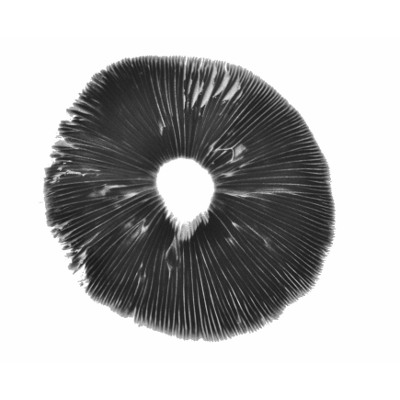
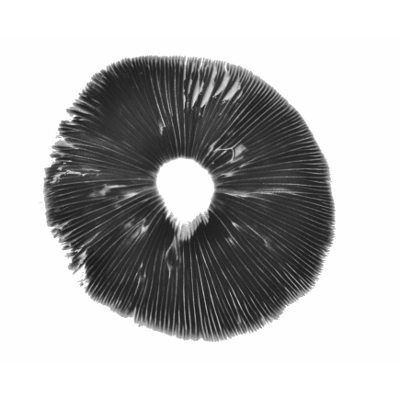
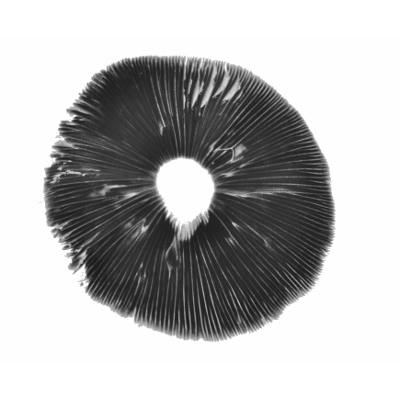
Golden Teacher Cubensis Spores are microscopic reproductive cells produced by mushrooms belonging to the Golden Teacher variety of Psilocybe cubensis.
Spores function similarly to seeds in plants. When they land in suitable conditions, they may germinate and form mycelium, which is the main body of the fungus.
Each mushroom cap can release millions of spores into the environment. Because spores are extremely small, they are typically studied using microscopes.
Mycologists analyze spores to identify species and understand fungal characteristics.
Origin of the Golden Teacher Variety
The Golden Teacher variety is believed to have been identified and shared within mycology communities several decades ago. Although its exact origin is not fully documented, it has become one of the most recognized cubensis strains worldwide.
The name “Golden Teacher” is often associated with the golden coloration of the mushroom caps. Over time, this variety has been widely discussed among researchers and enthusiasts interested in fungal diversity.
Its popularity has made it one of the most commonly referenced cubensis varieties in mycology.
Characteristics of Golden Teacher Mushrooms
Mushrooms associated with the Golden Teacher variety display several distinctive features.
Common characteristics include:
-
golden or caramel-colored caps
-
relatively thick stems
-
caps that expand and flatten as they mature
-
growth in warm and humid environments
Environmental factors such as temperature, humidity, and nutrient availability can influence how mushrooms develop.
Because fungi adapt to their surroundings, mushrooms from the same variety may vary slightly depending on environmental conditions.
The Role of Spores in the Fungal Life Cycle
Spores play a central role in the life cycle of fungi. Mature mushrooms release spores into the air, allowing them to spread across different environments.
If spores land in suitable conditions, they may germinate and begin forming mycelium, the network of microscopic threads that forms the main body of the fungus.
Mycelium grows through organic material, absorbing nutrients and eventually producing mushrooms under the right conditions.
This process allows fungi to reproduce and maintain their presence in ecosystems.
Importance of Mycelium in Fungal Growth
Mycelium is essential for fungal development. Before mushrooms appear above the surface, the organism exists mainly as a network of mycelial threads.
This network performs several important functions:
-
absorbing nutrients from organic material
-
breaking down plant matter
-
supporting mushroom development
-
recycling nutrients in ecosystems
In natural environments, mycelium networks can spread widely through soil and contribute to ecological balance.
Mycology and the Study of Mushroom Spores
Mycology is the scientific study of fungi. Researchers focus on spores because they provide valuable insight into fungal reproduction and classification.
Studying spores helps scientists:
-
identify different mushroom species
-
analyze genetic variation
-
understand fungal life cycles
-
classify fungi within the fungal kingdom
Microscopy is one of the most important tools used in mycology, and spores are often the focus of these studies.
Why This Variety Is Widely Studied
The Golden Teacher variety remains widely discussed because of its recognizable characteristics and its place within the broader Psilocybe cubensis species.
Researchers and enthusiasts often compare different cubensis varieties to better understand how genetic differences influence mushroom development.
This makes the variety an important reference point in mycology discussions.
Conclusion
Mushroom spores provide valuable insight into fungal biology and reproduction. Golden Teacher Cubensis Spores are widely recognized in mycology communities because of their association with one of the most well-known cubensis varieties.
By studying spores and fungal life cycles, researchers gain a deeper understanding of fungal genetics, biodiversity, and the important role fungi play in ecosystems.








Reviews
There are no reviews yet.