

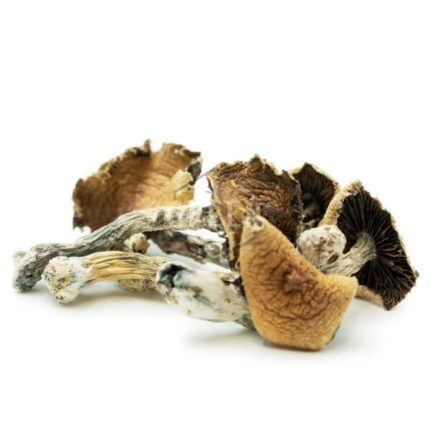
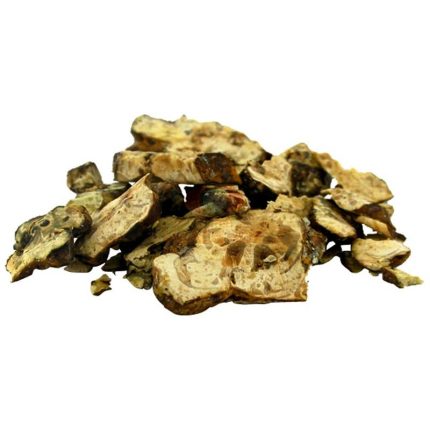
Space Shuttles Magic truffles (Copy)
324.03$
Space Shuttles Magic Truffles: Origin, Characteristics, and Mycology Interest
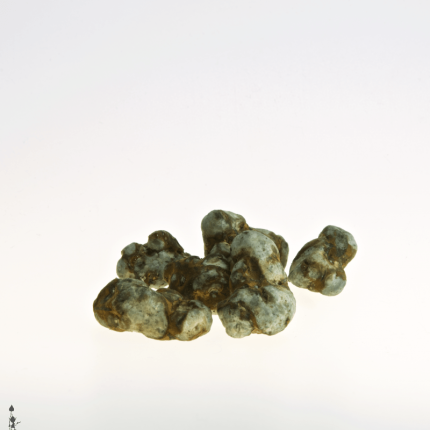
The term Space Shuttles Magic Truffles is commonly used in mycology communities to refer to a type of fungal sclerotia produced by certain mushroom species. Unlike traditional mushrooms that grow above the surface, these truffles develop underground as dense nutrient-rich structures.
These formations are interesting to scientists and fungal enthusiasts because they demonstrate how fungi adapt to survive difficult environmental conditions. Studying these structures helps researchers understand fungal biology, growth cycles, and ecosystem roles.
In this article, we explore the background, characteristics, and scientific interest surrounding these truffle-like fungal formations.
1. What Are Magic Truffles?
Magic truffles are not true truffles like the culinary truffles used in cooking. Instead, they are sclerotia, which are compact masses of fungal mycelium.
Sclerotia form when a fungus stores nutrients in a hardened structure that allows it to survive harsh environmental conditions such as drought or lack of nutrients.
When conditions improve, the fungus can use these stored resources to continue growing and eventually produce mushrooms.
Because of this survival function, sclerotia are considered a fascinating biological adaptation.
2. The Science Behind Sclerotia
Sclerotia are created when fungal mycelium begins to cluster together and form dense nodules underground.
These structures serve several important purposes:
-
Protect the fungus during unfavorable conditions
-
Store nutrients for future growth
-
Allow the fungus to remain dormant until conditions improve
This survival strategy can be found in several fungal species. In nature, it allows fungi to persist in environments where weather conditions may change rapidly.
Studying sclerotia helps mycologists understand how fungi survive and adapt.
3. Fungal Species That Produce Truffles
Several species within the Psilocybe genus are known to produce sclerotia. One of the most commonly discussed species is Psilocybe tampanensis.
Other related species can also form truffle-like structures under the right conditions.
These species belong to a broader group of fungi that grow in tropical and subtropical climates.
Scientists study these fungi because they provide insight into how fungal organisms manage energy storage and reproduction.
4. Characteristics of Space Shuttles Magic Truffles
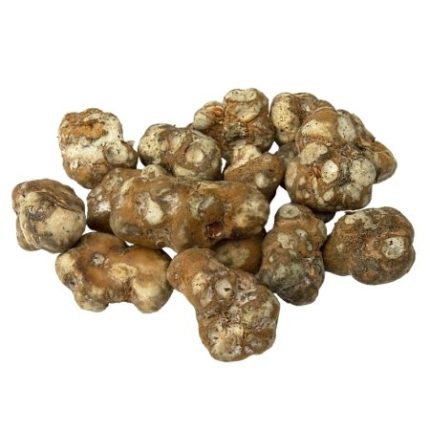
The name Space Shuttles Magic Truffles is used as a descriptive nickname rather than a scientific classification. Names like this are common in fungal communities where unique characteristics inspire creative labels.
Some characteristics often discussed include:
-
Compact truffle-like shape
-
Dense texture
-
Formation underground rather than above the surface
-
Growth connected to fungal mycelium networks
Because these structures form naturally within fungal colonies, they represent a key stage in the life cycle of certain fungi.
5. Role of Mycelium in Truffle Formation
Mycelium is the main body of a fungus. It is made of microscopic threads called hyphae that spread through soil, wood, or other organic materials.
This network performs several important functions:
-
Absorbing nutrients
-
Breaking down organic matter
-
Supporting fungal reproduction
-
Forming structures like mushrooms or sclerotia
When environmental conditions trigger survival responses, the mycelium may form dense structures such as sclerotia.
These formations act as nutrient reserves that help the fungus endure environmental stress.
6. Importance of Fungi in Nature
Fungi are essential organisms within ecosystems. They play a key role in recycling organic material and maintaining soil health.
Their ecological contributions include:
-
Decomposing plant material
-
Recycling nutrients back into soil
-
Supporting plant root systems
-
Maintaining ecosystem balance
Without fungi, forests and natural environments would struggle to maintain healthy nutrient cycles.
Because of these roles, scientists consider fungi to be vital components of global ecosystems.
7. Mycology and the Study of Fungal Diversity
Mycology is the scientific field dedicated to studying fungi. Researchers in this field investigate how fungi grow, reproduce, and interact with their environments.
Key areas of mycology research include:
-
fungal genetics
-
environmental adaptation
-
biodiversity
-
ecological relationships
By studying different species and structures like sclerotia, scientists gain a better understanding of fungal survival strategies.
Fungi continue to be one of the most diverse and least understood groups of organisms on Earth.
Responsible Learning About Fungi
Anyone interested in mushrooms or truffles should approach the topic with a scientific mindset and respect for nature.
Responsible research includes:
-
learning accurate mushroom identification
-
studying fungi in natural environments
-
respecting environmental conservation laws
-
focusing on scientific knowledge rather than speculation
Education and careful observation are essential for understanding the complex world of fungi.
Final Thoughts
Space Shuttles Magic Truffles represent an interesting example of how fungi adapt to environmental challenges. The formation of sclerotia demonstrates the remarkable survival strategies that fungi use to persist in changing conditions.
Studying these structures helps scientists explore fungal genetics, ecosystem roles, and the incredible diversity within the fungal kingdom.
Related products
Reviews
There are no reviews yet.