

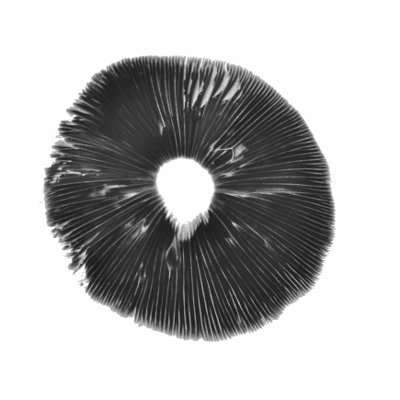

Red Boy cubensis Mushroom Spores
17.26€
Red Boy Cubensis: Origin, Characteristics, and Mycology Interest
Red Boy Cubensis is a recognized variety within the Psilocybe cubensis species, often discussed in mycology communities due to its distinctive appearance and its place among various cubensis strains. This variety is known for subtle visual differences that set it apart from other strains within the same species.
The Psilocybe cubensis species is widely distributed across tropical and subtropical regions, where environmental conditions such as warmth and humidity support fungal growth. Because of its adaptability, many varieties have emerged, each influenced by genetic variation and environmental factors.
Studying these varieties allows researchers to better understand fungal biodiversity, environmental adaptation, and the ecological role of fungi.
What Is Red Boy Cubensis?
Red Boy Cubensis refers to a cubensis mushroom variety recognized for its slightly different spore characteristics compared to other strains. Like all cubensis varieties, it reproduces through spores and develops from mycelium.
Varieties within the species are often named based on unique traits or distinguishing features. This naming helps categorize different strains and allows researchers to compare them more effectively.
Although it shares the same fundamental biology as other cubensis mushrooms, it is considered unique within mycology discussions.
Origin of the Red Boy Variety
The exact origin of the Red Boy variety is not clearly documented, which is common for many cubensis strains. It became known through distribution within mycology communities and was studied alongside other varieties.
Over time, its distinguishing features made it recognizable among enthusiasts and researchers. Like many cubensis strains, its spread is linked to the sharing of knowledge and samples within mycology circles.
Characteristics of Red Boy Cubensis Mushrooms
Mushrooms associated with this variety display features typical of Psilocybe cubensis, along with some unique characteristics.
Common features include:
-
caps with light brown to reddish tones
-
slender to moderately thick stems
-
caps that flatten as they mature
-
growth in warm and humid environments
One of the most notable aspects of this variety is its spore coloration, which may appear slightly different compared to standard cubensis strains.
Environmental factors such as temperature, humidity, and nutrients can influence the appearance of mushrooms.
The Life Cycle of Cubensis Mushrooms
Like other cubensis varieties, this mushroom follows a life cycle that begins with spores.
The main stages include:
-
Spore release – mature mushrooms release microscopic spores
-
Germination – spores begin to grow under suitable conditions
-
Mycelium formation – a network of microscopic threads develops
-
Fruiting stage – mushrooms grow from the mycelium
This cycle allows fungi to reproduce and spread across different environments.
Understanding these stages is essential in mycology research.
Importance of Mycelium
Mycelium is the main body of a fungus and plays a crucial role in its growth and survival.
This network of microscopic threads:
-
absorbs nutrients from organic material
-
breaks down plant matter
-
supports mushroom development
-
recycles nutrients in ecosystems
In natural environments, mycelium networks contribute to soil health and ecological balance.
Mycology and the Study of Mushroom Varieties
Mycology is the scientific study of fungi. Researchers examine mushroom varieties to understand their biology, genetics, and ecological roles.
Studying cubensis varieties helps scientists:
-
explore genetic diversity
-
understand environmental adaptation
-
analyze ecosystem interactions
-
classify fungal species
Fungi are essential organisms that support healthy ecosystems.
Why This Variety Is Notable
This variety is often discussed because of its distinctive features and its place within the broader cubensis species. Researchers compare it with other strains to better understand genetic differences and environmental influences.
Its unique characteristics make it a useful reference in mycology discussions.
Conclusion
Mushroom varieties provide valuable insights into fungal diversity and environmental adaptation. Red Boy Cubensis is recognized in mycology communities because of its distinctive traits and its role within the Psilocybe cubensis species.
By studying such varieties, researchers gain a deeper understanding of fungal genetics, biodiversity, and the essential role fungi play in ecosystems.
Related products






Reviews
There are no reviews yet.