
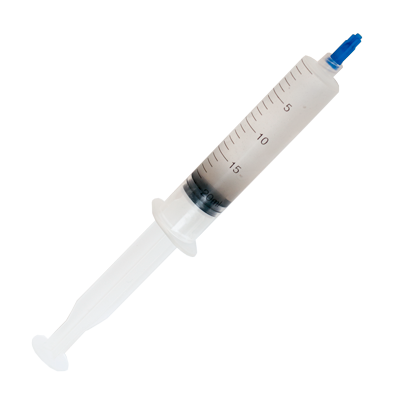
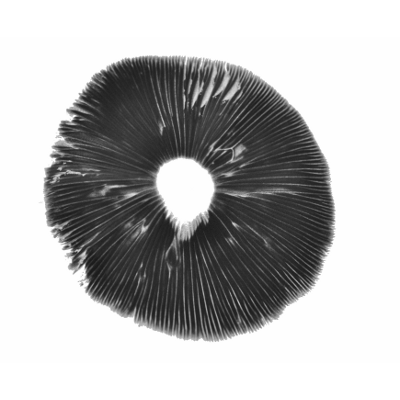
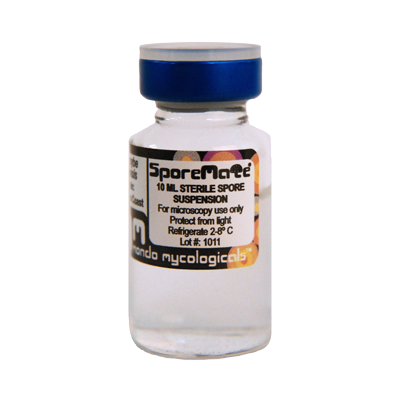
Moby Dick Spore syringe
19.96$
Moby Dick Spore Syringe: Uses, Purpose, and Mycology Research
A Moby Dick Spore Syringe is a commonly used tool in mycology for storing and handling mushroom spores in a sterile liquid solution. It allows researchers and enthusiasts to study fungal spores in a controlled and practical way, especially in microscopy and educational environments.
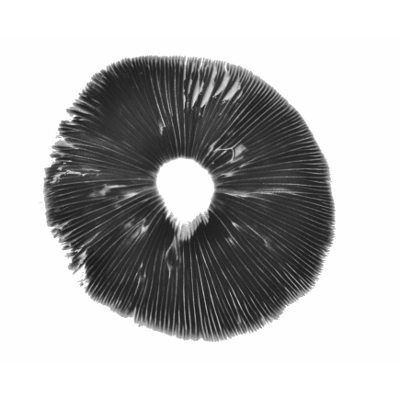
Mushroom spores are microscopic reproductive cells that contain the genetic material needed for fungi to reproduce. Because these spores are extremely small and sensitive, they are often suspended in sterile liquid to maintain their integrity and prevent contamination.
Spore syringes provide a convenient way to work with spores while ensuring precision and consistency during observation and research.
What Is Moby Dick Spore Syringe?
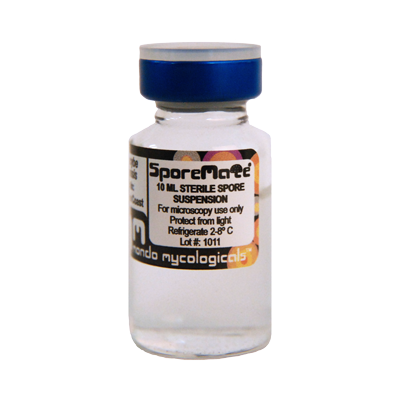
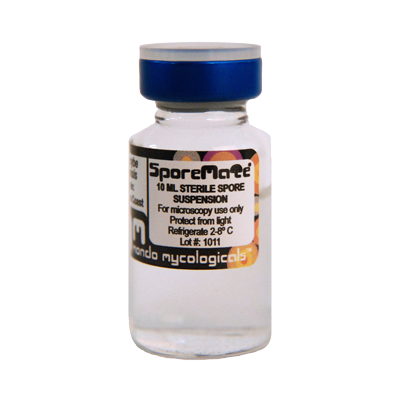
A Moby Dick Spore Syringe is a sterile syringe filled with distilled water and microscopic spores from the Moby Dick cubensis variety. The spores are evenly distributed in the liquid, allowing for easier handling and observation.
These syringes are designed to maintain sterility and are typically sealed to prevent contamination. They are widely used in mycology for:
-
microscopy observation
-
studying spore structure
-
analyzing fungal characteristics
-
educational research
Because of their design, they provide a controlled way to examine spores in laboratory settings.
How Spore Syringes Work
Spore syringes function by suspending spores in a liquid medium, making them easier to distribute evenly. This helps prevent clumping and ensures more accurate observation during research.
In microscopy studies, a small amount of the liquid can be placed onto a slide, allowing researchers to examine the size, shape, and structure of spores.
This method is widely used in mycology because it simplifies the process of handling microscopic material.
Importance of Sterility in Spore Handling
Maintaining sterility is essential when working with spores. Contamination can interfere with observations and affect research outcomes.
Spore syringes are prepared under sterile conditions to ensure that the spores remain uncontaminated.
Benefits of sterile handling include:
-
accurate research results
-
protection of spore samples
-
reduced contamination risks
-
consistent observations
Proper storage and handling help preserve the quality of the spore solution over time.
The Role of Spores in the Fungal Life Cycle
Spores are the primary reproductive units of fungi. They allow mushrooms to reproduce and spread across different environments.
When spores land in suitable conditions, they may germinate and form mycelium, which is the network of microscopic threads that makes up the main body of the fungus.
Mycelium grows through organic material, absorbing nutrients and eventually producing mushrooms under the right conditions.
Understanding spores is essential for studying fungal growth and development.
Mycology and Spore Research
Mycology is the scientific study of fungi. Researchers use tools like spore syringes to study fungal species and their characteristics.
Spore research helps scientists:
-
identify mushroom species
-
analyze genetic diversity
-
understand fungal life cycles
-
classify fungi
Microscopy is a key part of these studies, and spore syringes make the process more accessible.
Applications in Research and Education
Spore syringes are used in both professional research and educational environments.
Common applications include:
-
laboratory studies of fungal spores
-
teaching fungal biology
-
collecting and preserving spore samples
-
studying biodiversity
These tools make it easier to explore fungal science in controlled settings.
Why This Tool Is Important
This tool is widely used because it simplifies the handling of microscopic spores and supports accurate observation. Researchers and students rely on it to better understand fungal characteristics and reproduction.
Its convenience and reliability make it an essential tool in mycology.
Conclusion
Studying fungal spores requires reliable and precise tools. A Moby Dick Spore Syringe provides a practical way to handle and observe spores in a controlled environment.
By using this tool, researchers gain valuable insights into fungal genetics, reproduction, and biodiversity, helping expand knowledge in the field of mycology.
Related products
Reviews
There are no reviews yet.