


Magic Mushroom Spore Syringe – Mazatapec psilocybe cubensis
20.30€
Mazatapec Psilocybe Cubensis: Origin, Characteristics, and Mycology Interest
Mazatapec Psilocybe Cubensis is a well-known variety within the Psilocybe cubensis species, associated with regions of Mexico. This variety is often discussed in mycology communities because of its cultural background and its place among the diverse range of cubensis mushroom strains.
The Psilocybe cubensis species is widely distributed across tropical and subtropical environments. Many of its varieties are named after the locations where they were first identified, helping researchers distinguish different genetic variations.
Studying regional mushroom varieties helps expand understanding of fungal biodiversity, environmental adaptation, and ecological roles.
What Is Mazatapec Psilocybe Cubensis?
Mazatapec Psilocybe Cubensis refers to a cubensis mushroom variety linked to regions inhabited by the Mazatec people in Mexico. Like other varieties within this species, it reproduces through spores and develops from mycelium.
The naming reflects its cultural and geographic association, which is common in mycology when identifying different strains. These names help categorize variations within the species and provide historical context.
Although all cubensis mushrooms share similar biological traits, environmental factors can influence how each variety develops.
Origin of the Mazatapec Variety
The Mazatapec variety is associated with regions of Mexico known for their rich biodiversity and favorable conditions for fungal growth. Warm temperatures, seasonal humidity, and nutrient-rich environments support the natural development of mushrooms.
This variety is often linked to traditional knowledge and the long-standing relationship between local communities and the natural environment. Over time, it became recognized within mycology communities and studied alongside other cubensis varieties.
Its geographic and cultural background makes it an important reference point in discussions about mushroom diversity.
Characteristics of Mazatapec Cubensis Mushrooms
Mushrooms associated with this variety display characteristics typical of Psilocybe cubensis mushrooms.
Common features include:
-
light brown to golden caps
-
slender stems
-
caps that flatten as they mature
-
growth in warm and humid environments
Environmental factors such as temperature, humidity, and nutrient availability can influence the appearance of mushrooms.
Because fungi adapt to their surroundings, mushrooms from the same variety may vary slightly depending on environmental conditions.
The Life Cycle of Cubensis Mushrooms
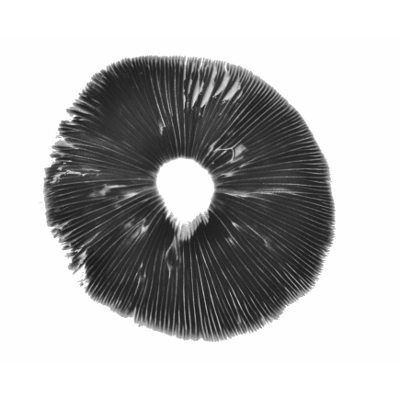
Like other cubensis varieties, this mushroom follows a life cycle that begins with spores.
The main stages include:
-
Spore release – mature mushrooms release microscopic spores
-
Germination – spores begin to grow under suitable conditions
-
Mycelium formation – a network of microscopic threads develops
-
Fruiting stage – mushrooms grow from the mycelium
This cycle allows fungi to reproduce and spread across different environments.
Understanding these stages is essential in mycology research.
Importance of Mycelium
Mycelium is the main body of a fungus and plays a crucial role in its growth and survival.
This network of microscopic threads:
-
absorbs nutrients from organic material
-
breaks down plant matter
-
supports mushroom development
-
recycles nutrients in ecosystems
In natural environments, mycelium networks can spread widely through soil and contribute to ecological balance.
Mycology and the Study of Mushroom Varieties
Mycology is the scientific study of fungi. Researchers examine mushroom varieties to understand their biology, genetics, and ecological roles.
Studying cubensis varieties helps scientists:
-
explore genetic diversity
-
understand environmental adaptation
-
analyze ecosystem interactions
-
classify fungal species
Fungi are essential organisms that help recycle nutrients and maintain healthy ecosystems.
Why Traditional Varieties Are Important
Traditional mushroom varieties provide insight into the relationship between fungi and specific regions or cultures. They help researchers understand how environmental and historical factors influence fungal diversity.
Studying these varieties contributes to a deeper understanding of biodiversity and the role of fungi in natural ecosystems.
Conclusion
Mushroom varieties offer valuable insights into fungal diversity and environmental adaptation. Mazatapec Psilocybe Cubensis is recognized in mycology discussions because of its geographic and cultural significance within the Psilocybe cubensis species.
By studying such varieties, researchers gain a deeper understanding of fungal genetics, biodiversity, and the essential role fungi play in ecosystems around the world.
Related products







Reviews
There are no reviews yet.