
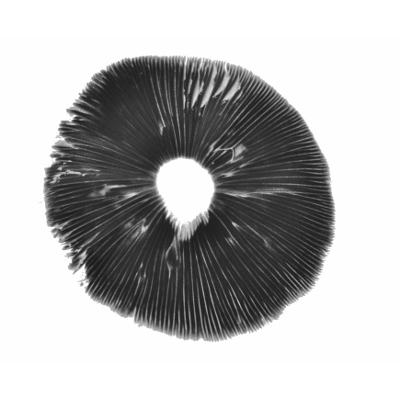
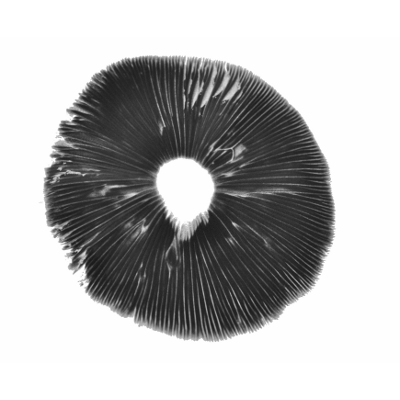
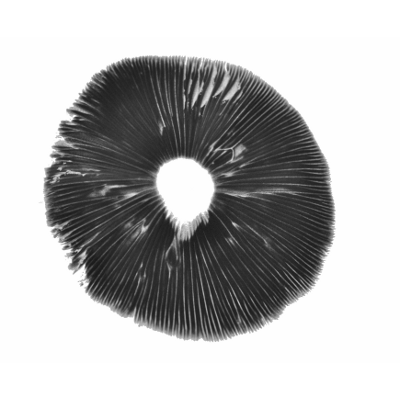
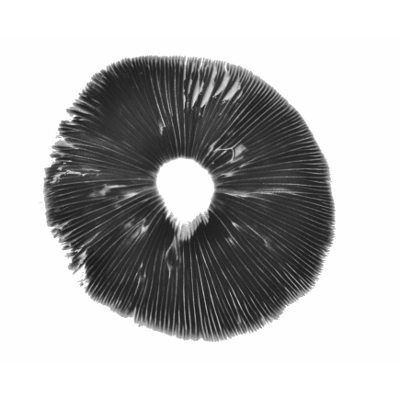
Magic Mushroom spore print | Albino A+
20.32€
Albino A+: Origin, Characteristics, and Mycology Interest
Albino A+ is one of the most recognized varieties within the Psilocybe cubensis species. This strain is known for its pale appearance and distinctive features that set it apart from many other cubensis varieties. It has gained popularity in mycology communities because of its unique look and the curiosity it generates among researchers and enthusiasts.
The Psilocybe cubensis species grows naturally in warm and humid environments, and over time, different strains have developed through genetic variation. These variations help scientists and enthusiasts better understand fungal diversity and environmental adaptation.
Studying mushroom varieties like this provides insight into fungal biology, reproduction, and the broader ecosystem role of fungi.
What Is Albino A+?
Albino A+ refers to a cubensis mushroom variety that is often described as having very light or pale coloration. Although commonly called “albino,” many specimens are technically leucistic, meaning they lack strong pigmentation but are not completely devoid of color.
Like other cubensis varieties, this strain reproduces through spores and develops from mycelium. It shares the same basic biological structure as other mushrooms within the species but stands out due to its visual characteristics.
The naming of strains often comes from their appearance or the way they were first identified, and this variety is a good example of that naming tradition.
Origin of the Albino A+ Variety
The exact origin of this variety is not fully documented, but it is believed to have been developed from the A+ cubensis strain. Over time, this pale variation became recognized as a separate strain due to its distinctive appearance.
As with many mushroom varieties, early mycology enthusiasts and researchers played a role in identifying and sharing this strain within the community. Through this process, it became widely known and discussed among those interested in fungal studies.
Geographic origin is less clearly defined compared to some other cubensis strains, but environmental conditions still play a key role in how it develops.
Characteristics of Albino A+ Mushrooms
Mushrooms associated with this variety display several unique features that distinguish them from other cubensis strains.
Common characteristics include:
-
pale white or cream-colored caps
-
light-colored stems
-
caps that expand and flatten as they mature
-
growth in warm and humid environments
Environmental factors such as humidity, temperature, and nutrient availability can influence the final appearance of mushrooms.
Because fungi are highly responsive to their surroundings, even mushrooms from the same strain can vary slightly depending on growing conditions.
The Life Cycle of Cubensis Mushrooms
Like all members of the Psilocybe cubensis species, this variety follows a standard fungal life cycle.
The main stages include:
-
Spore release – mature mushrooms release microscopic spores
-
Germination – spores begin to grow under suitable conditions
-
Mycelium formation – a network of microscopic threads develops
-
Fruiting stage – mushrooms form from the mycelium
This cycle allows fungi to reproduce and spread naturally across different environments.
Understanding these stages is important for mycology research and helps explain how fungi adapt to different ecological conditions.
Importance of Mycelium
Mycelium is the main body of a fungus and plays a critical role in its survival and growth. It forms a network of microscopic threads that spread through organic material.
This network is responsible for:
-
absorbing nutrients
-
breaking down organic matter
-
supporting mushroom development
-
recycling nutrients in ecosystems
In natural environments, mycelium networks can extend across large areas and even interact with plant roots, contributing to soil health.
Mycology and the Study of Fungi
Mycology is the scientific study of fungi, including mushrooms, molds, and yeasts. Researchers in this field examine fungal species to understand their biology, genetics, and ecological roles.
Studying different cubensis varieties helps scientists:
-
explore genetic diversity
-
understand environmental adaptation
-
classify fungal species
-
study ecosystem interactions
Fungi are essential organisms that play a major role in nutrient recycling and maintaining ecological balance.
Why Albino A+ Interests Researchers
The unique appearance of this strain makes it particularly interesting for those studying fungal variation. Differences in pigmentation can provide clues about genetic traits and environmental influences.
Researchers and enthusiasts often compare different strains to better understand how subtle genetic differences can lead to noticeable changes in appearance.
As interest in mycology continues to grow, visually distinctive varieties like this remain important subjects of study.
Conclusion
Mushroom varieties offer valuable insight into the diversity of fungal species. Albino A+ stands out among cubensis strains because of its pale coloration and distinctive characteristics.
By studying this variety, researchers gain a deeper understanding of fungal genetics, environmental adaptation, and the role fungi play in ecosystems. As mycology continues to expand, strains like this remain important for exploring the complexity of the fungal world.
Related products






Reviews
There are no reviews yet.