
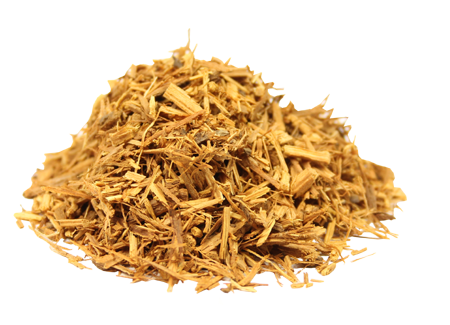

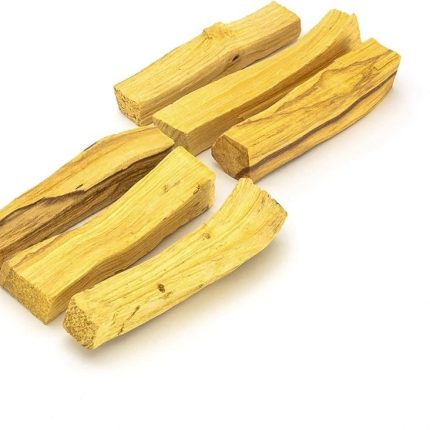
Banisteriopsis caapi
22.00€
Banisteriopsis caapi: A Sacred Amazonian Vine with Deep Cultural and Botanical Significance
Banisteriopsis caapi is a tropical vine native to the Amazon rainforest, widely recognized for its cultural, ecological, and botanical importance. Found primarily in countries such as Brazil, Peru, Colombia, and Ecuador, this plant has been an integral part of indigenous traditions for centuries.
Belonging to the Malpighiaceae family, this woody vine grows by climbing surrounding trees, forming part of the dense rainforest canopy. Its long, twisting structure and adaptability make it a key component of the Amazon ecosystem.
Beyond its physical characteristics, this vine is deeply embedded in ethnobotanical discussions due to its role in traditional practices and its continued relevance in modern research.
Why Banisteriopsis caapi Stands Out
Banisteriopsis caapi is not just another rainforest plant—it holds a unique position due to its combination of cultural significance and botanical interest.
Here’s what makes it remarkable:
-
strong connection to indigenous traditions
-
widely recognized in ethnobotanical studies
-
unique climbing vine structure
-
presence in one of the world’s most biodiverse ecosystems
-
increasing interest in scientific research
These features make it one of the most discussed plants in Amazonian studies.
Origin and Natural Habitat
This plant is native to the Amazon basin, one of the richest ecosystems on Earth. It thrives in humid, tropical conditions where rainfall is abundant and temperatures remain consistently warm.
Key habitat characteristics include:
-
dense rainforest canopy
-
high humidity levels
-
nutrient-rich soil
-
warm and stable climate
As a climbing vine, it depends on surrounding trees for support, allowing it to reach sunlight while rooted in the forest floor.
This growth strategy enables it to compete effectively in crowded rainforest environments.
Physical Characteristics and Structure
Banisteriopsis caapi is a woody vine with a distinctive appearance that sets it apart from other plants.
Key physical features include:
-
long, twisting stems that wrap around trees
-
thick, fibrous bark
-
green leaves adapted to filtered light
-
strong and flexible vine structure
The vine can grow to significant lengths, intertwining with other vegetation and contributing to the complexity of the rainforest canopy.
Botanical Classification and Scientific Interest
This plant belongs to the Malpighiaceae family, which includes many tropical species with ecological importance.
From a scientific perspective, it is studied for:
-
its unique chemical composition
-
its role in plant interaction within ecosystems
-
its adaptation to rainforest conditions
-
its significance in ethnobotanical research
Researchers continue to explore plants like this to better understand biodiversity and plant evolution.
Traditional and Cultural Significance
For generations, indigenous communities in the Amazon have recognized the importance of this vine. It plays a central role in traditional practices and cultural heritage.
Cultural relevance includes:
-
use in ceremonial contexts
-
preservation of traditional knowledge
-
integration into spiritual and cultural systems
-
transmission of knowledge across generations
This deep cultural connection highlights the importance of respecting both the plant and the communities that value it.
Role in the Rainforest Ecosystem
Banisteriopsis caapi contributes to the health and balance of its environment in several ways.
Its ecological roles include:
-
supporting biodiversity
-
providing structure within the forest canopy
-
interacting with other plant species
-
contributing to nutrient cycles
As part of a complex ecosystem, it helps maintain the stability of the rainforest.
Research and Modern Interest
In recent years, this plant has gained increased attention in academic and research settings.
Areas of interest include:
-
ethnobotanical studies
-
plant-based compound research
-
ecological and environmental research
-
sustainable use of rainforest resources
This growing interest reflects its importance in both traditional and modern contexts.
Handling and Study Considerations
In research environments, proper handling of plant materials is essential.
Important considerations include:
-
ethical sourcing and sustainability
-
accurate identification of plant species
-
proper storage and preservation
-
adherence to environmental guidelines
These practices ensure responsible study and conservation.
Why This Type of Content Helps Your Store Grow
For e-commerce platforms, detailed informational pages like this offer strong SEO benefits:
-
improved visibility on search engines
-
increased authority in your niche
-
better user engagement
-
long-term organic traffic growth
This approach builds trust while supporting sustainable growth.
Conclusion
The Amazon rainforest is home to countless remarkable plant species, and Banisteriopsis caapi is one of the most significant among them. With its deep cultural roots, ecological importance, and growing presence in research, it stands out as a powerful example of nature’s complexity.
Related products

Reviews
There are no reviews yet.