


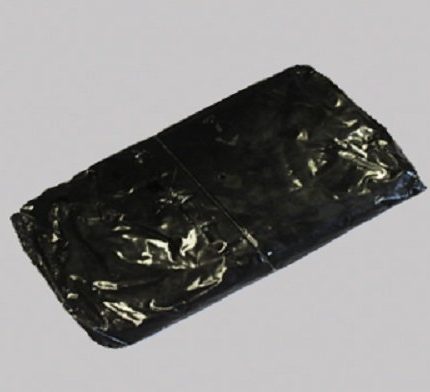
Ayahuasca kitst
104.15$
Ayahuasca Kits: Components, Cultural Context, and Botanical Understanding
Ayahuasca Kits are typically described as combinations of plant materials associated with traditional Amazonian practices. These kits usually include specific botanical components that have been historically used together within indigenous knowledge systems.
Rather than being standalone products in a modern commercial sense, these combinations originate from centuries-old traditions in the Amazon rainforest. Indigenous communities developed complex understandings of plant interactions, cultural rituals, and environmental knowledge that shaped how these materials were used.
This page provides a structured and educational overview designed to support awareness, cultural respect, and informed understanding.
What Are Ayahuasca Kits?
Ayahuasca Kits generally refer to a grouping of plant materials traditionally associated with Amazonian ethnobotanical practices. These combinations often include a primary vine and additional plant components that are discussed together in research and cultural contexts.
It is important to understand that these are not casual or general-use items. In traditional settings, they are part of structured practices guided by experienced individuals with deep knowledge of the plants and their cultural significance.
Modern references to “kits” are often simplified representations of much more complex traditional systems.
Key Botanical Components
While the exact composition may vary depending on region and tradition, discussions around Ayahuasca Kits often include:
-
a central Amazonian vine species
-
additional complementary plant leaves
-
natural materials sourced from rainforest environments
Each component has its own botanical identity and role within traditional knowledge systems. The interaction between these plants is a subject of ongoing ethnobotanical and scientific research.
Understanding these components requires both botanical knowledge and cultural awareness.
Cultural and Traditional Background
The origins of these plant combinations trace back to indigenous communities in the Amazon basin, including regions of Brazil, Peru, Colombia, and Ecuador.
Cultural significance includes:
-
use within ceremonial and ritual contexts
-
transmission of knowledge across generations
-
integration into spiritual and environmental practices
-
deep connection to the rainforest ecosystem
These traditions are highly structured and are guided by experienced practitioners. They are not casual practices and are embedded within broader cultural frameworks.
Why Understanding Ayahuasca Kits Matters
Understanding Ayahuasca Kits is important for several reasons:
-
they represent complex indigenous knowledge systems
-
they highlight the relationship between humans and nature
-
they are frequently discussed in ethnobotanical research
-
they require cultural respect and accurate representation
Providing clear and responsible information helps prevent misinformation and promotes awareness.
Botanical and Research Interest
These plant combinations have attracted attention in academic and research environments.
Areas of interest include:
-
study of plant interactions
-
ethnobotanical research
-
rainforest biodiversity
-
traditional ecological knowledge
Researchers approach these topics with caution, ensuring ethical practices and respect for indigenous cultures.
Safety and Legal Awareness
The materials associated with Ayahuasca Kits are subject to varying legal frameworks depending on the country. In many regions, certain plant components are regulated or restricted.
Important considerations include:
-
understanding local laws and regulations
-
recognizing potential health risks
-
avoiding misuse or unsupervised use
-
respecting traditional guidelines
Awareness of these factors is essential for responsible discussion.
Ethical and Cultural Responsibility
When discussing or presenting information about these kits, ethical considerations are critical.
Key principles include:
-
respecting indigenous knowledge and traditions
-
avoiding commercialization of sacred practices
-
promoting accurate and responsible information
-
supporting sustainability and conservation
Responsible representation helps protect both cultural heritage and natural ecosystems.
Handling and Study Context
In research or educational settings, plant materials associated with these kits are handled with care.
Considerations include:
-
proper identification of species
-
controlled storage conditions
-
documentation of origin and sourcing
-
adherence to research and ethical guidelines
These practices ensure accuracy and preservation.
Why Informational Pages Help Your Store Grow
For e-commerce platforms, pages like this provide significant SEO benefits:
-
improved visibility on search engines
-
increased authority in niche markets
-
stronger user trust and engagement
-
long-term organic traffic growth
This strategy allows your website to scale sustainably while remaining compliant.
Conclusion
The Amazon rainforest holds some of the most complex and culturally significant plant knowledge systems in the world. Ayahuasca Kits represent a simplified modern reference to these deeply rooted traditions.
Related products


Reviews
There are no reviews yet.