


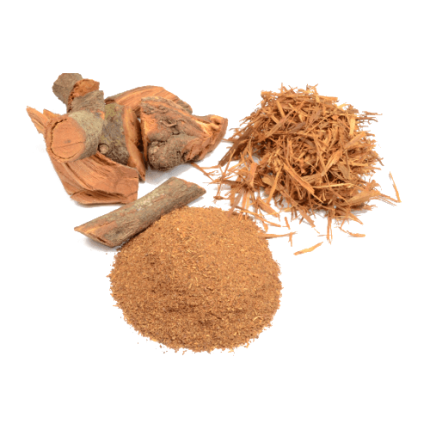
Anadenanthera Peregrina
11.00€
Anadenanthera peregrina: A Sacred South American Botanical with Deep Roots
Anadenanthera peregrina is a tropical tree species native to South America and parts of the Caribbean, known for its long-standing cultural and botanical significance. Often associated with traditional practices and ethnobotanical research, this plant has been studied for centuries due to its unique properties and role in indigenous heritage.
Commonly found in regions such as Brazil, Venezuela, and Colombia, this tree thrives in warm climates and diverse ecosystems. It belongs to the Fabaceae family, a group known for its ecological importance and nitrogen-fixing capabilities.
Today, this plant continues to attract attention in scientific, cultural, and environmental discussions, making it a fascinating subject for both researchers and plant enthusiasts.
Why Anadenanthera peregrina Stands Out
Anadenanthera peregrina is not just another tropical species—it has several defining features that make it unique and widely recognized.
Here’s what makes it stand out:
-
strong connection to indigenous traditions
-
presence in multiple South American ecosystems
-
part of the ecologically important Fabaceae family
-
studied in ethnobotany and plant research
-
distinctive seed pods and tree structure
These characteristics contribute to its importance across different fields of study.
Origin and Natural Habitat
This tree is native to tropical and subtropical regions of South America, including areas of the Amazon basin and surrounding regions. It is also found in parts of the Caribbean.
It grows in environments such as:
-
tropical forests
-
savannah regions
-
open woodlands
-
areas with seasonal rainfall
Its adaptability allows it to thrive in both dense forests and more open landscapes, making it a resilient and versatile species.
Physical Characteristics and Structure
Anadenanthera peregrina is a medium to large tree with several distinctive features.
Key characteristics include:
-
tall, straight trunk with spreading branches
-
fern-like leaves typical of many Fabaceae species
-
long seed pods containing multiple seeds
-
rough bark adapted to tropical conditions
The seeds are particularly notable and have been the subject of both cultural and scientific interest.
Botanical Classification and Scientific Interest
This plant belongs to the Fabaceae (legume) family, which includes many species known for their ability to fix nitrogen in the soil. This makes them important for maintaining soil health and supporting ecosystems.
From a scientific perspective, this plant is studied for:
-
its role in soil enrichment
-
its adaptation to various environments
-
its chemical composition
-
its importance in biodiversity
Researchers often focus on plants like this to better understand ecological systems and plant evolution.
Traditional and Cultural Significance
For centuries, indigenous communities have recognized the importance of this tree. Its seeds and other parts have been integrated into traditional practices and cultural rituals.
Cultural relevance includes:
-
use in traditional ceremonies
-
preservation of indigenous knowledge
-
historical significance across multiple regions
-
continued recognition in ethnobotanical studies
This deep cultural connection highlights the importance of respecting and preserving traditional practices.
Role in the Ecosystem
Anadenanthera peregrina plays a vital role in its natural environment. As a nitrogen-fixing tree, it helps improve soil fertility and supports surrounding plant life.
Its ecological contributions include:
-
enriching soil nutrients
-
supporting biodiversity
-
providing habitat for wildlife
-
stabilizing ecosystems
These roles make it valuable in both natural and restored environments.
Research and Modern Interest
In recent years, this plant has gained increased attention in research and academic discussions.
Areas of interest include:
-
ethnobotanical research
-
plant-based compound studies
-
ecological restoration
-
sustainable use of natural resources
This growing interest reflects its importance in both traditional and modern contexts.
Handling and Study Considerations
In research settings, proper handling of plant materials is essential to ensure accuracy and sustainability.
Important considerations include:
-
ethical sourcing practices
-
proper identification and documentation
-
controlled storage of plant samples
-
adherence to environmental guidelines
These practices help preserve both the plant and its ecological context.
Why This Type of Content Helps Your Store Grow
For e-commerce platforms, detailed informational pages like this provide significant SEO advantages:
-
improved search engine rankings
-
increased authority in your niche
-
better user engagement
-
long-term organic traffic growth
This strategy helps your website grow while remaining compliant and trustworthy.
Conclusion
The diversity of tropical plants offers valuable insight into nature, culture, and science. Anadenanthera peregrina stands out as a remarkable species with deep cultural roots and ecological importance.
Related products



Reviews
There are no reviews yet.