

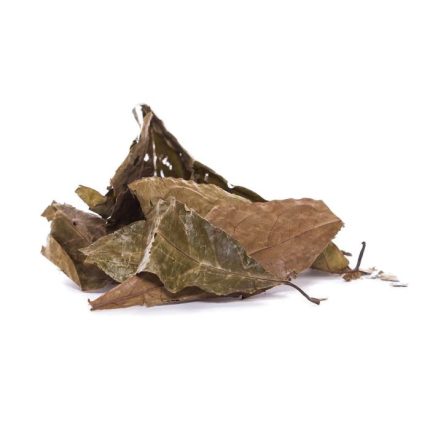
Peganum harmala (Syrian rue)
112.00€
Peganum harmala: A Resilient Desert Plant with Ancient Cultural Roots
Peganum harmala is a hardy perennial plant native to arid and semi-arid regions across North Africa, the Middle East, and parts of Central and South Asia. Commonly known as Syrian rue, this plant has been recognized for centuries due to its resilience, distinctive seeds, and strong presence in traditional cultural practices.
Unlike tropical rainforest plants, this species thrives in harsh environments where water is scarce and temperatures can fluctuate significantly. Its ability to survive under such conditions makes it an important subject in both ecological and ethnobotanical studies.
Today, this plant continues to attract attention from researchers, botanists, and those interested in traditional plant knowledge.
Why Peganum harmala Stands Out
Peganum harmala is notable for its adaptability, cultural significance, and unique botanical properties.
Here’s what makes it stand out:
-
thrives in extreme desert and semi-arid climates
-
recognized for its distinctive seed capsules
-
deeply rooted in traditional cultural practices
-
widely studied in ethnobotanical research
-
capable of surviving in nutrient-poor soils
These characteristics contribute to its long-standing relevance across different regions.
Origin and Natural Habitat
This plant is native to a wide geographical range, including:
-
North Africa
-
the Middle East
-
Central Asia
-
parts of South Asia
It typically grows in environments such as:
-
dry plains
-
desert edges
-
rocky soils
-
disturbed or roadside areas
Its ability to grow in harsh conditions demonstrates its resilience and adaptability.
Physical Characteristics and Structure
Peganum harmala is a small, bushy plant with a distinctive appearance.
Key characteristics include:
-
finely divided, narrow leaves
-
small white flowers with delicate petals
-
round seed capsules containing numerous seeds
-
deep root system adapted for water absorption
The seeds are one of the most notable features of the plant, often highlighted in both cultural and research discussions.
Botanical Classification and Scientific Interest
This plant belongs to the Nitrariaceae family, a group known for species adapted to dry environments.
From a scientific perspective, it is studied for:
-
its chemical composition
-
its ability to survive in extreme climates
-
its ecological role in arid environments
-
its significance in ethnobotanical research
Researchers often examine plants like this to understand survival mechanisms in challenging ecosystems.
Traditional and Cultural Significance
For centuries, Peganum harmala has played a role in traditional practices across various cultures.
Cultural relevance includes:
-
use in traditional rituals and customs
-
symbolic significance in certain regions
-
preservation of plant-based knowledge
-
continued presence in cultural heritage
This long history highlights the deep connection between people and this plant.
Role in the Ecosystem
Despite growing in harsh environments, this plant contributes to ecological balance.
Its ecological roles include:
-
stabilizing soil in dry regions
-
supporting local biodiversity
-
providing habitat for insects
-
contributing to nutrient cycles
Its presence helps maintain the health of fragile ecosystems.
Research and Modern Interest
In recent years, Peganum harmala has gained increased attention in scientific and academic research.
Areas of interest include:
-
ethnobotanical studies
-
plant-based compound research
-
ecological adaptation studies
-
sustainable plant use
This growing interest reflects its importance in both traditional and modern contexts.
Handling and Study Considerations
In research environments, proper handling of plant materials is essential.
Important considerations include:
-
ethical sourcing practices
-
accurate identification
-
proper storage of plant samples
-
adherence to research guidelines
These practices ensure responsible study and conservation.
Why This Type of Content Helps Your Store Grow
For e-commerce platforms, detailed informational pages like this provide strong SEO benefits:
-
improved search engine visibility
-
increased authority in your niche
-
better user engagement
-
long-term organic traffic growth
This strategy supports sustainable online growth while maintaining compliance.
Conclusion
Plants that thrive in extreme conditions offer valuable insights into nature’s adaptability, and Peganum harmala is a prime example. With its wide geographical range, cultural significance, and growing research interest, it continues to stand out as an important botanical species.
Related products





Reviews
There are no reviews yet.