


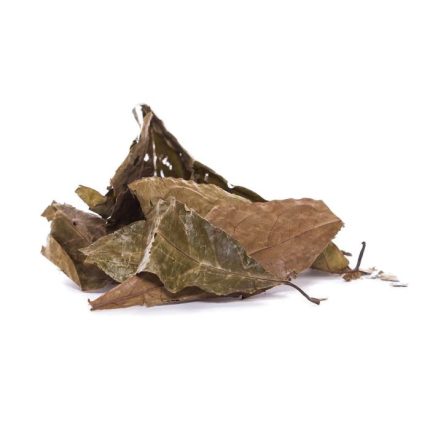
Bursera graveolens (palo santo)
15.00€
Bursera graveolens: The Sacred Palo Santo Tree with Deep Cultural Roots
Bursera graveolens, commonly known as Palo Santo, is a tropical tree species native to South America, particularly found in countries such as Peru, Ecuador, and parts of Central America. This tree has gained widespread recognition due to its aromatic wood and long-standing role in traditional cultural practices.
Belonging to the Burseraceae family—the same family as frankincense and myrrh—this tree is known for producing a distinctive fragrance when its wood is burned or processed. Its presence in both dry tropical forests and coastal regions highlights its adaptability and ecological importance.
Over time, this plant has become a significant subject in ethnobotany, cultural studies, and sustainable harvesting discussions.
Why Bursera graveolens Stands Out
Bursera graveolens is not just another tropical tree—it holds a unique place due to its combination of aromatic properties and cultural significance.
Here’s what makes it special:
-
known for its distinctive, long-lasting fragrance
-
deeply connected to traditional practices in South America
-
part of the historically important Burseraceae family
-
adaptable to dry and tropical environments
-
widely studied in ethnobotanical research
These features make it one of the most recognized aromatic trees in its region.
Origin and Natural Habitat
This tree is native to tropical dry forests of South America and parts of Central America. It thrives in regions where rainfall is seasonal and soils are often less fertile compared to dense rainforests.
Key habitat characteristics include:
-
dry tropical climates
-
coastal and lowland forests
-
well-drained, sandy or rocky soil
-
periods of drought followed by seasonal rain
Unlike many tropical plants that require constant moisture, this species is well adapted to dry conditions, making it ecologically unique.
Physical Characteristics and Structure
Bursera graveolens is a medium-sized tree with a distinctive appearance.
Key characteristics include:
-
smooth, pale bark that may peel over time
-
twisted and irregular branching structure
-
small green leaves adapted to dry conditions
-
aromatic resin contained within the wood
One of its most notable features is the fragrance of its wood, which becomes more pronounced after natural aging.
Botanical Classification and Scientific Interest
This plant belongs to the Burseraceae family, which includes several resin-producing trees of economic and cultural importance.
From a scientific perspective, it is studied for:
-
its aromatic compounds
-
its adaptation to dry forest ecosystems
-
its ecological interactions with surrounding species
-
its role in ethnobotanical research
Researchers often focus on species like this to better understand plant chemistry and environmental adaptation.
Traditional and Cultural Significance
For generations, Bursera graveolens has played a role in traditional practices across South America. Its wood is commonly associated with rituals and cultural customs.
Cultural relevance includes:
-
use in traditional ceremonies
-
symbolic importance in spiritual practices
-
integration into local heritage
-
preservation of indigenous knowledge
This deep cultural connection highlights the importance of respecting both the plant and the traditions surrounding it.
Role in the Ecosystem
Despite growing in dry environments, this tree contributes significantly to ecological balance.
Its ecological roles include:
-
supporting biodiversity in dry forests
-
providing habitat for insects and small animals
-
contributing to soil stability
-
participating in nutrient cycles
Its presence helps maintain the health of fragile ecosystems.
Sustainability and Ethical Considerations
One of the most important discussions surrounding this tree is sustainability. Proper harvesting practices are essential to protect natural populations.
Key considerations include:
-
harvesting only naturally fallen wood
-
avoiding overexploitation
-
supporting sustainable sourcing practices
-
respecting environmental regulations
Responsible sourcing ensures that this species remains available for future generations.
Research and Modern Interest
In recent years, Bursera graveolens has gained global attention in both research and cultural discussions.
Areas of interest include:
-
study of aromatic compounds
-
sustainable natural resource management
-
ethnobotanical research
-
ecological conservation efforts
This growing interest reflects its importance across multiple disciplines.
Why This Type of Content Helps Your Store Grow
For e-commerce platforms, detailed informational pages like this provide strong SEO advantages:
-
improved search engine rankings
-
increased authority in your niche
-
better user engagement
-
long-term organic traffic growth
This strategy builds trust while supporting sustainable and compliant growth.
Conclusion
The natural world offers many unique and meaningful species, and Bursera graveolens stands out as one of the most significant. From its aromatic properties to its deep cultural roots and ecological importance, this tree represents a powerful connection between nature and tradition.
Related products





Reviews
There are no reviews yet.