
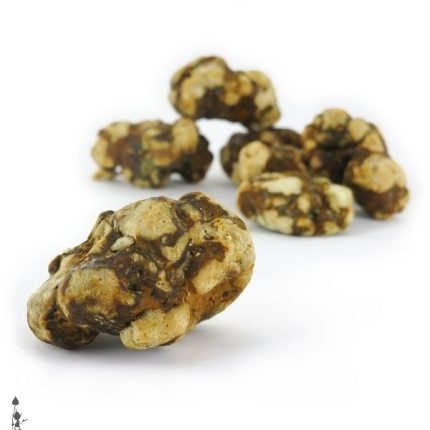
White Diamonds
280.00€
White Diamonds Mushroom: Origin, Characteristics, and Mycology Interest
The White Diamonds Mushroom is a name used in mycology communities to describe a mushroom variety known for its bright and distinctive appearance. Within the world of fungi, many varieties of mushrooms are recognized because of unique physical traits or genetic characteristics.
This variety is often associated with the species Psilocybe cubensis, one of the most widely studied mushrooms in mycology. The species is known for its adaptability and its presence in warm environments across different parts of the world.
Learning about different mushroom varieties helps scientists and enthusiasts understand fungal genetics, biodiversity, and the role of fungi in ecosystems.
Origin of the White Diamonds Mushroom Variety
The White Diamonds Mushroom variety is believed to have developed through natural genetic variation within the Psilocybe cubensis species. Fungi reproduce using spores, and this process can produce new variations over time.
When spores germinate and grow, small genetic differences can lead to changes in color, size, or structure. These variations may eventually become recognized as distinct varieties within the species.
Many mushroom varieties receive names based on appearance, geographic origin, or unique features.
In the case of this variety, the name likely reflects the bright or pale appearance that resembles sparkling white shapes.
Physical Characteristics of White Diamonds Mushroom
Like many mushrooms within the Psilocybe cubensis species, the White Diamonds Mushroom displays several recognizable physical features.
Some commonly discussed characteristics include:
-
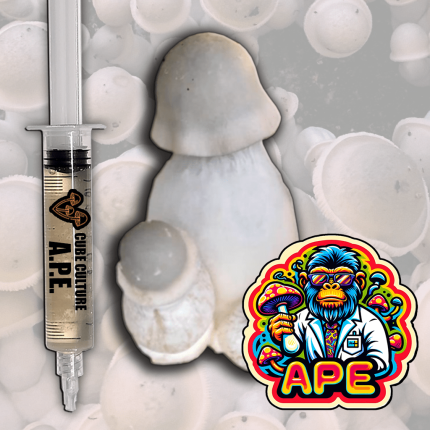
light-colored caps that may appear pale or creamy
-
slender stems supporting the caps
-
caps that expand as the mushroom matures
-
growth in warm and humid environments
The exact appearance of mushrooms can vary depending on environmental factors such as humidity, nutrients, and temperature.
Because fungi respond strongly to their surroundings, mushrooms from the same variety may look slightly different under different conditions.
The Role of Mycelium in Fungal Life
Before mushrooms appear above the surface, the organism exists mainly as mycelium. Mycelium is a network of microscopic threads that spread through soil or organic material.
This underground network acts as the main body of the fungus.
Mycelium performs several important functions:
-
absorbing nutrients from organic matter
-
supporting mushroom development
-
decomposing plant material
-
recycling nutrients in ecosystems
In natural environments, mycelium networks can spread widely and interact with plant roots.
These connections help maintain healthy soil ecosystems.
Genetic Diversity in Mushroom Varieties
Fungal genetics are highly diverse. Even mushrooms within the same species can show noticeable differences.
Genetic variation may influence:
-
cap color
-
stem thickness
-
growth rate
-
resistance to environmental stress
Scientists study these variations to understand how fungi evolve and adapt to changing environments.
Genetic diversity helps species survive and thrive in many different ecosystems around the world.
Mycology and the Study of Fungi
Mycology is the scientific study of fungi. This field explores mushrooms, molds, yeasts, and other fungal organisms.
Mycologists study fungi to learn about:
-
fungal growth cycles
-
ecosystem roles of fungi
-
biodiversity of species
-
genetic relationships between fungi
Because fungi are essential for recycling nutrients in nature, scientists consider them a critical part of ecosystem health.
Research in mycology continues to expand as new fungal species are discovered.
Importance of Fungi in Ecosystems
Fungi play a vital role in maintaining ecological balance. They help break down organic material and return nutrients to the soil.
Without fungi, ecosystems would struggle to recycle nutrients efficiently.
Their ecological roles include:
-
decomposing plant matter
-
supporting plant root systems
-
maintaining soil health
-
enabling nutrient recycling
These processes help sustain forests, grasslands, and many other natural environments.
Responsible Learning About Mushrooms
Anyone interested in mushrooms should approach the subject responsibly. Many species look similar, making accurate identification important.
Responsible study of fungi involves:
-
learning from reliable mycology resources
-
observing mushrooms in natural environments
-
respecting environmental regulations
-
focusing on scientific knowledge
By studying fungi responsibly, researchers and enthusiasts can continue to learn about the remarkable diversity of the fungal world.
Final Thoughts
The White Diamonds Mushroom represents one of the many interesting varieties discussed within the Psilocybe cubensis species. Its distinctive name and appearance make it a topic of curiosity among mycology enthusiasts.
Related products
Reviews
There are no reviews yet.