Tampanensis Mushroom: Origin, Characteristics, and Mycology Interest
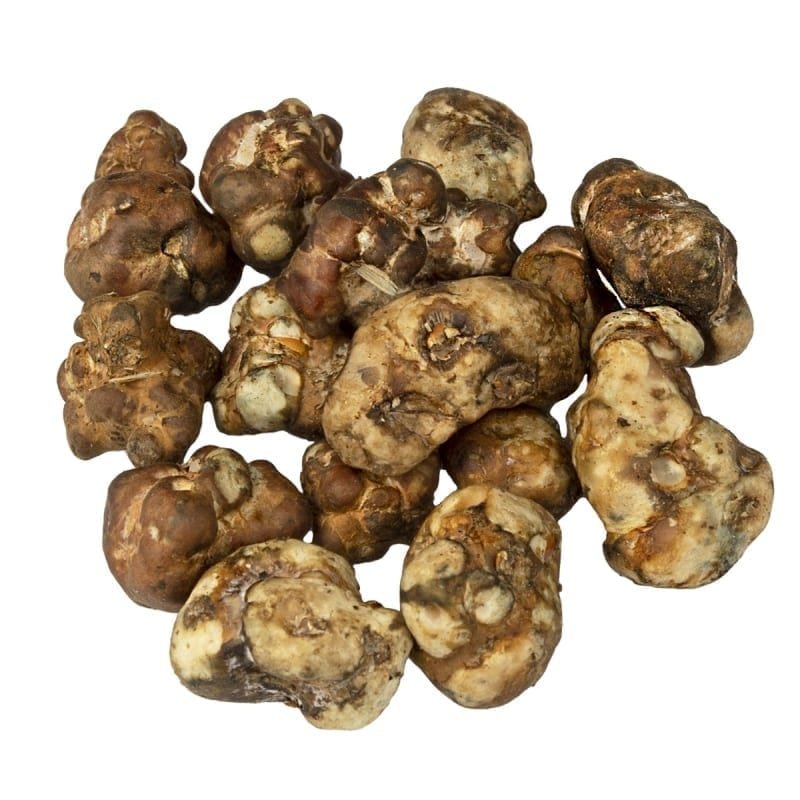
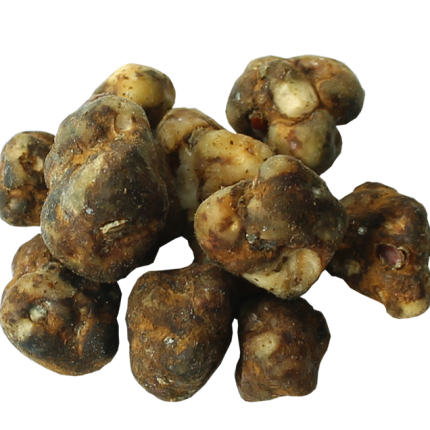
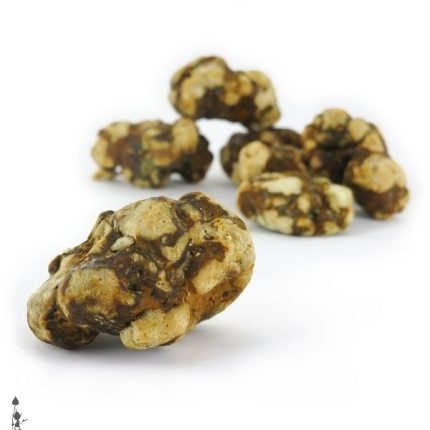
The Tampanensis mushroom is a fascinating species within the Psilocybe genus. It is well known in mycology communities because of its unusual biological behavior and the formation of underground structures often referred to as “sclerotia.” These structures are sometimes called truffles in fungal discussions.
Researchers and mushroom enthusiasts study this species because it demonstrates how diverse fungi can be within the same genus. By understanding different fungal species, scientists gain insight into fungal biology, ecosystems, and genetic variation.
1. Origin of the Tampanensis Species
The Tampanensis species was first discovered in the United States, specifically in the state of Florida near the city of Tampa. The name of the species comes directly from this location.
Because of its discovery site, scientists named the species Psilocybe tampanensis to reflect its geographic origin. Many mushroom species are named in a similar way, linking them to the region where they were first identified.
This species later attracted attention from mycologists because of its unique ability to produce sclerotia.
2. What Makes Tampanensis Unique
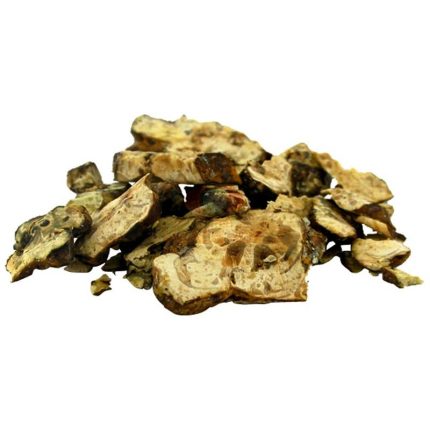
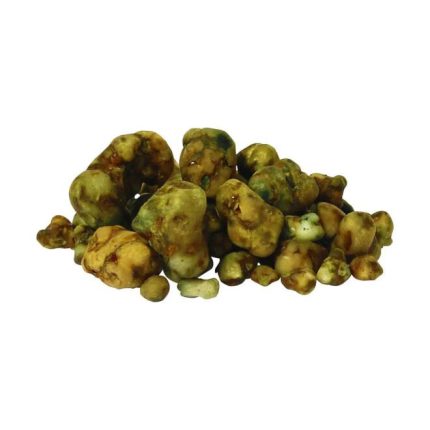
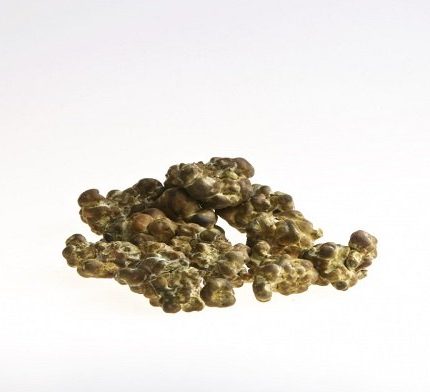
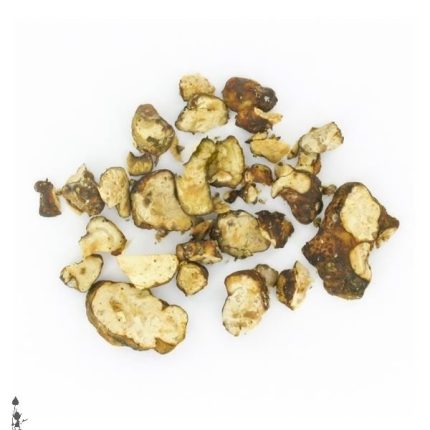
One of the most interesting characteristics of the Tampanensis mushroom is its ability to produce sclerotia. These are compact masses of hardened fungal mycelium that develop underground.
Sclerotia act as survival structures for the fungus. They allow the organism to store nutrients and survive unfavorable environmental conditions.
When conditions improve, the fungus can use these stored nutrients to continue growing.
This biological feature makes the species especially interesting for fungal research.
3. Physical Characteristics of the Mushroom
Like many mushrooms in the Psilocybe genus, this species has recognizable physical features.
Typical characteristics include:
-
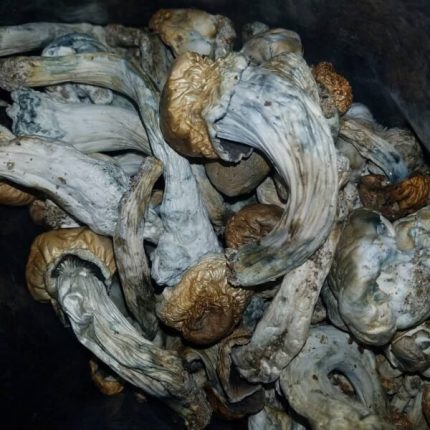
A small to medium-sized cap
-
A light brown to caramel color
-
Slender stems
-
Caps that may flatten as they mature
The appearance of mushrooms can vary depending on environmental conditions such as humidity, temperature, and nutrient availability.
Because fungi are highly adaptable, even mushrooms from the same species may look slightly different in different environments.
4. The Role of Mycelium
Before mushrooms appear above ground, the fungus exists primarily as mycelium. Mycelium is a network of tiny thread-like structures that spread through soil or organic material.
This network acts as the main body of the fungus.
Mycelium performs several important functions:
-
Absorbing nutrients from organic material
-
Breaking down plant matter
-
Supporting the development of mushrooms
-
Helping recycle nutrients in ecosystems
In forest environments, mycelium often connects plant roots and plays a key role in soil health.
5. Importance of Fungi in Ecosystems
Fungi are among the most important organisms in nature. They help break down dead plant material, returning nutrients to the soil.
Without fungi, ecosystems would struggle to recycle organic matter efficiently.
The role of fungi includes:
Because of these important roles, mycologists continue studying fungal species to understand how ecosystems function.
6. Scientific Interest in the Tampanensis Species
The Tampanensis species is often discussed in mycology because of its unusual biology and survival strategies.
Scientists study fungal species like this to learn more about:
-
Fungal genetics
-
Adaptation to environmental conditions
-
Growth patterns of mycelium
-
Formation of survival structures like sclerotia
Understanding these processes helps researchers better understand fungal evolution and biodiversity.
7. Diversity Within the Psilocybe Genus
The Psilocybe genus contains many species that grow in different climates and environments around the world.
Some species are found in tropical forests, while others grow in grasslands or temperate regions.
Studying different species helps scientists compare their characteristics and identify genetic differences.
Fungal diversity is extremely large, and researchers continue discovering new species and strains each year.
Mycology: The Science of Fungi
Mycology is the scientific study of fungi. This field explores everything from mushroom biology to fungal ecology and genetics.
Mycologists investigate topics such as:
-
fungal growth cycles
-
interactions with plants and soil
-
genetic diversity of species
-
environmental impact of fungi
Fungi are unique organisms that form their own kingdom, separate from plants and animals.
Their biological complexity makes them an important subject of scientific research.
Responsible Study of Mushrooms
Anyone interested in mushrooms should approach the topic with curiosity and responsibility. Many species look similar, so accurate identification is extremely important.
Learning about fungi usually involves:
-
Studying scientific literature
-
Observing mushrooms in natural environments
-
Using field guides for identification
-
Learning from experienced mycologists
Responsible research helps protect ecosystems and improves scientific understanding of fungal species.
Final Thoughts
The Tampanensis mushroom is an interesting species within the fungal world because of its unique ability to form sclerotia and its discovery history in Florida.
Studying species like this helps scientists better understand fungal survival strategies, genetic diversity, and ecosystem roles.
As mycology research continues to grow, fungi such as Psilocybe tampanensis will remain important subjects of study for scientists exploring the complex and fascinating world of fungi.



Reviews
There are no reviews yet.