
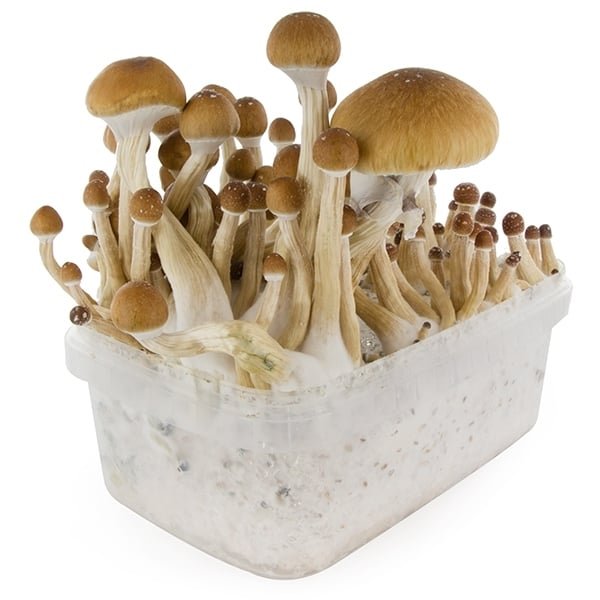
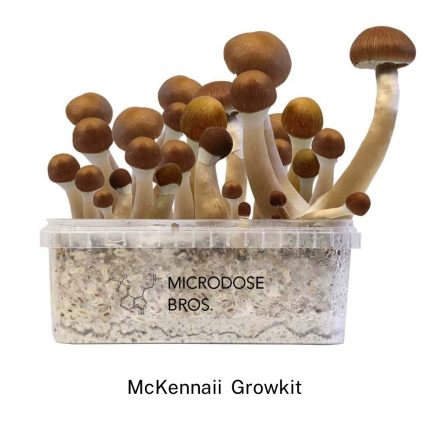
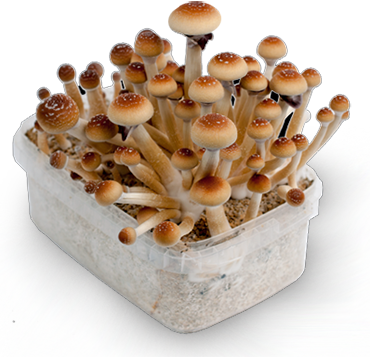
Stealthbox White Rabbit (9)
35.00€
Stealthbox White Rabbit: Features, Background, and Mycology Interest
The Stealthbox White Rabbit is a mushroom grow kit name that appears in mycology and cultivation communities. Grow kits like this are designed to provide a controlled environment where fungal growth can be observed more easily.
Mushroom grow kits have become popular tools for people interested in mycology because they simplify the process of cultivating fungi. Instead of building a full laboratory setup, these kits provide pre-prepared materials that help support fungal development.
The Stealthbox product line is known for its compact design and discreet packaging, making it convenient for small indoor setups.
Understanding grow kits and fungal life cycles helps people learn more about how mushrooms grow and how fungi function in natural ecosystems.
What Is the Stealthbox White Rabbit Grow Kit?
The Stealthbox White Rabbit is part of the Stealthbox category of mushroom grow kits. These kits are designed to make mushroom cultivation simpler by providing prepared materials and a controlled container for fungal growth.
Grow kits typically contain:
-
a container with colonized substrate
-
nutrients that support fungal development
-
a protective bag or chamber to maintain humidity
Because mushrooms require specific environmental conditions, grow kits help maintain humidity and temperature levels that support healthy development.
Grow kits are widely used by beginners and enthusiasts who want to observe fungal growth without building complex cultivation systems.
Why Stealthbox Grow Kits Are Popular
The Stealthbox brand is known for producing discreet and affordable mushroom cultivation kits. These kits often come in plain packaging so the contents remain private during delivery.
Several features make these kits attractive to hobbyists:
-
compact and discreet design
-
simplified setup process
-
affordable compared to advanced cultivation systems
-
suitable for small indoor spaces
Because of these characteristics, stealth-style grow kits have become widely discussed in online mycology communities.
Characteristics of White Rabbit Varieties
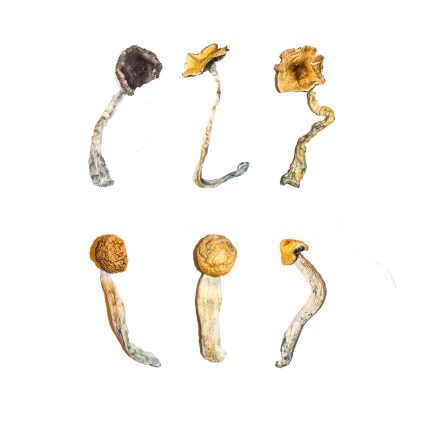
The Stealthbox White Rabbit name is associated with a mushroom variety often discussed among growers. Varieties within the Psilocybe cubensis group frequently receive unique names to distinguish different genetic lines.
Typical characteristics of cubensis mushrooms include:
-
caps that range from light brown to golden tones
-
slender stems
-
caps that flatten as mushrooms mature
-
growth in warm and humid environments
Environmental conditions such as humidity, nutrients, and temperature can influence how mushrooms develop. Because fungi respond strongly to their surroundings, mushrooms from the same variety may appear slightly different depending on growing conditions.
The Role of Mycelium in Mushroom Growth
Before mushrooms appear above the surface, the fungus exists primarily as mycelium. Mycelium is a network of microscopic fungal threads that spread through organic material.
This underground network acts as the main body of the fungus and performs several important functions:
-
absorbing nutrients from organic material
-
breaking down plant matter
-
supporting mushroom formation
-
recycling nutrients in ecosystems
Mycelium networks can extend across large areas of soil and even connect plant roots in natural environments.
These networks play a crucial role in maintaining healthy ecosystems.
Mushroom Grow Kits and Indoor Mycology
Indoor mushroom cultivation setups often rely on controlled environmental conditions. The main factors that influence fungal growth include:
-
temperature
-
humidity
-
airflow
-
lighting conditions
Grow kits help maintain these conditions in a simplified environment. This allows beginners and hobbyists to observe the life cycle of fungi more easily.
By providing pre-prepared materials, grow kits reduce the complexity of starting a mycology project.
Importance of Fungi in Ecosystems
Fungi are essential organisms in natural ecosystems. They help break down dead plant material and recycle nutrients back into the soil.
Their ecological roles include:
-
decomposing organic matter
-
supporting plant root systems
-
maintaining soil health
-
enabling nutrient recycling
Without fungi, many ecosystems would struggle to maintain healthy nutrient cycles.
Because of this, fungi remain an important subject of research in biology and environmental science.
Responsible Learning About Mushrooms
People interested in mushrooms should approach the subject with curiosity and responsibility. Many mushroom species look similar, so accurate identification and reliable information are important.
Responsible learning about fungi includes:
-
studying scientific mycology resources
-
observing mushrooms in natural environments
-
respecting environmental regulations
-
focusing on education and research
Mycology offers an exciting opportunity to explore one of the most diverse groups of organisms on Earth.
Final Thoughts
The Stealthbox White Rabbit grow kit represents one of many tools used in modern mycology communities to observe fungal development. With its compact design and simplified setup, it provides an accessible way to explore mushroom growth and fungal biology.
Related products
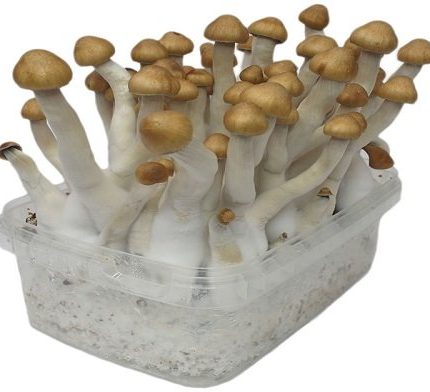
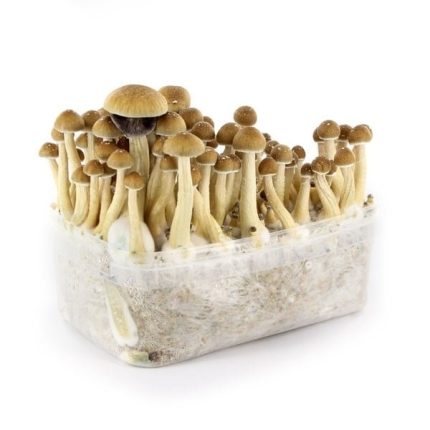
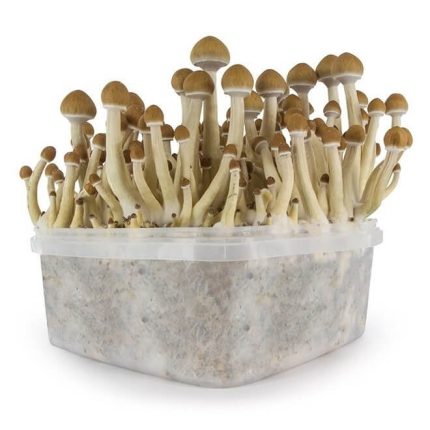
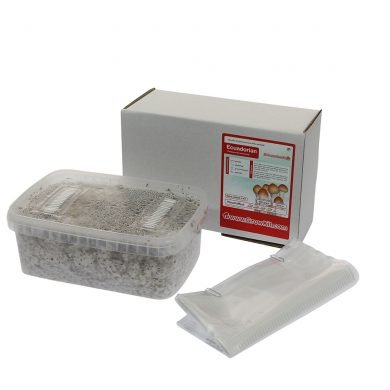
Reviews
There are no reviews yet.