
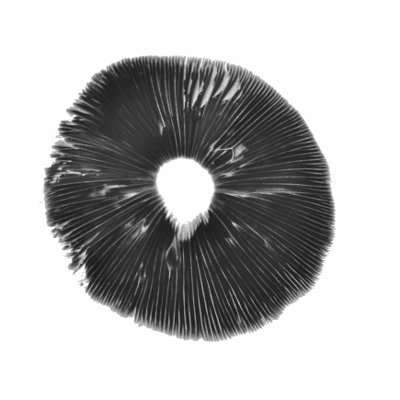


Psylocybe Fanaticus psilocybe cubensis spore print
20.32€
Psylocybe Fanaticus: Origin, PF Tek Method, and Mycology Interest
Psylocybe Fanaticus is a name widely associated with one of the most recognized introductory methods in mycology, known as the PF Tek. This method helped simplify the study of fungal growth by providing a structured way to observe how mushrooms develop from spores into mature forms.
The PF Tek method became popular because it made fungal study more accessible. It introduced a clear process that allowed researchers and beginners to better understand the stages of fungal development without requiring advanced laboratory equipment.
Studying methods like this is important for understanding fungal biology, environmental conditions, and the overall life cycle of mushrooms.
What Is Psylocybe Fanaticus?
Psylocybe Fanaticus is a pseudonym used by the individual who introduced and popularized the PF Tek method. The initials “PF” are derived from this name, which later became widely associated with the technique itself.
This method provided a simplified framework for studying fungi, helping people understand how spores develop into mycelium and eventually into fruiting bodies. Because of its structured approach, it became one of the most referenced techniques in mycology communities.
The contribution of this name is significant because it helped expand interest in fungal studies beyond traditional academic environments.
Origin of the PF Tek Method
The PF Tek method emerged during a period when interest in mycology was growing outside formal research institutions. The goal was to create a simple and reliable way to observe fungal growth under controlled conditions.
By reducing complexity, the method allowed more people to explore fungal biology and learn about mushroom development. It quickly gained popularity due to its clear steps and accessible approach.
Over time, it became a foundational method for beginners interested in studying fungi.
Key Principles Behind PF Tek
The PF Tek method is based on maintaining environmental conditions that support fungal growth and development.
Core principles include:
-
providing a nutrient source for fungal growth
-
maintaining proper humidity levels
-
ensuring stable temperature conditions
-
reducing contamination risks
These principles reflect the basic requirements for fungal development and are widely used in mycology research.
Understanding these concepts helps explain how fungi grow and adapt to their environment.
The Role of Mycelium in Fungal Growth
Mycelium is the main body of a fungus and plays a central role in its development. It forms a network of microscopic threads that spread through organic material.
This network is responsible for:
-
absorbing nutrients from the environment
-
breaking down organic matter
-
supporting mushroom formation
-
recycling nutrients in ecosystems
Studying mycelium helps researchers understand how fungi grow and interact with their surroundings.
Mycology and Experimental Techniques
Mycology is the scientific study of fungi. Researchers use various experimental methods to study fungal biology, including techniques like PF Tek.
These methods help scientists:
-
observe fungal life cycles
-
analyze environmental effects on growth
-
explore genetic diversity
-
understand ecological roles
Experimental techniques are essential for expanding knowledge in the field of mycology.
Importance of Fungi in Ecosystems
Fungi play a vital role in maintaining ecological balance. They help decompose organic material and recycle nutrients back into the environment.
Their ecological functions include:
-
breaking down plant matter
-
supporting plant root systems
-
maintaining soil health
-
enabling nutrient cycling
Without fungi, ecosystems would struggle to sustain healthy nutrient cycles.
Why Psylocybe Fanaticus Is Important in Mycology
The contribution of Psylocybe Fanaticus is important because it introduced a method that simplified the study of fungal growth. By making mycology more accessible, it helped increase interest in the field.
The PF Tek method continues to be referenced in discussions about fungal research and educational techniques.
Its influence highlights the importance of simple and effective learning methods in science.
Conclusion
Understanding fungal biology requires both knowledge and practical methods. Psylocybe Fanaticus is closely associated with a technique that made mycology easier to explore and understand.
By studying methods like PF Tek, researchers and enthusiasts gain valuable insight into fungal life cycles, environmental adaptation, and the essential role fungi play in ecosystems.
Related products






Reviews
There are no reviews yet.