

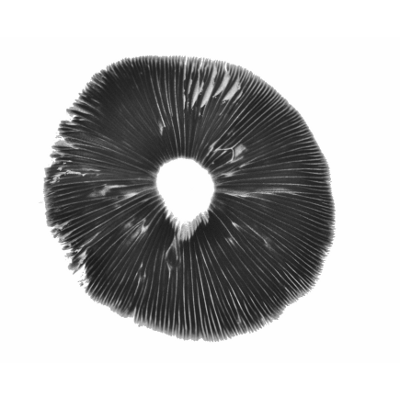

Psilocybe galindoii ‘Georgia’ Mushroom Spores
20.46€
Psilocybe Galindoii: Origin, Characteristics, and Mycology Interest
Psilocybe Galindoii is a species within the Psilocybe genus that is widely discussed in mycology due to its unique biological features. This species is particularly known for producing underground structures called sclerotia, which distinguish it from many other fungi.
Fungi with these characteristics are often studied because they provide insight into alternative growth patterns and survival strategies. Understanding such species helps researchers explore fungal diversity and environmental adaptation.
The study of fungi like this contributes to a broader understanding of ecosystems and the role fungi play in maintaining ecological balance.
What Is Psilocybe Galindoii?
Psilocybe Galindoii is a species of mushroom that can produce both above-ground fruiting bodies and underground sclerotia. Sclerotia are compact masses of hardened mycelium that store nutrients and allow the fungus to survive unfavorable conditions.
Like other fungi, it reproduces through spores and develops from mycelium. The presence of sclerotia makes it particularly interesting for mycology research.
This species is often studied to understand how fungi adapt to environmental stress and how they manage energy storage.
Origin of Psilocybe Galindoii
This species is associated with regions that provide warm and humid conditions suitable for fungal growth. Such environments support both surface and underground development.
The ability to produce sclerotia suggests adaptation to environments where conditions may fluctuate. This allows the fungus to survive periods when growth conditions are not ideal.
Researchers study its origin to better understand how environmental factors influence fungal development and survival.
Characteristics of Psilocybe Galindoii
This species displays characteristics typical of Psilocybe mushrooms, along with unique features.
Common characteristics include:
-
small to medium-sized caps
-
light brown to caramel coloration
-
slender stems
-
production of sclerotia beneath the surface
Environmental factors such as temperature, humidity, and nutrient availability can influence how the mushroom develops.
Because fungi adapt to their surroundings, variations in appearance may occur.
The Role of Sclerotia
Sclerotia are one of the most distinctive features of this species. They act as storage units that help the fungus survive challenging conditions.
Functions of sclerotia include:
-
storing nutrients for future growth
-
protecting the fungus during unfavorable conditions
-
enabling regrowth when conditions improve
This adaptation makes the species valuable for studying fungal survival strategies.
The Fungal Life Cycle
Like other fungi, this species follows a life cycle that begins with spores.
The main stages include:
-
Spore release – mature mushrooms release spores
-
Germination – spores begin to grow
-
Mycelium formation – a network of microscopic threads develops
-
Sclerotia formation – underground structures may develop
-
Fruiting stage – mushrooms form under suitable conditions
This life cycle demonstrates the flexibility of fungal growth.
Mycology and Species Research
Mycology is the scientific study of fungi. Researchers study species like this to understand their biology, genetics, and ecological roles.
Research focuses on:
-
fungal adaptation
-
biodiversity within the Psilocybe genus
-
environmental influences on growth
-
classification of species
These studies help expand scientific knowledge about fungi.
Importance in Ecosystems
Fungi play an essential role in ecosystems by breaking down organic material and recycling nutrients.
Their ecological functions include:
-
decomposing plant matter
-
improving soil structure
-
supporting plant growth
-
maintaining nutrient cycles
Species like this contribute to ecological balance and biodiversity.
Conclusion
Fungal species provide valuable insight into biodiversity and environmental adaptation. Psilocybe Galindoii stands out because of its ability to produce sclerotia and survive changing conditions.
By studying this species, researchers gain a deeper understanding of fungal life cycles, survival strategies, and the essential role fungi play in ecosystems.
Related products







Reviews
There are no reviews yet.