
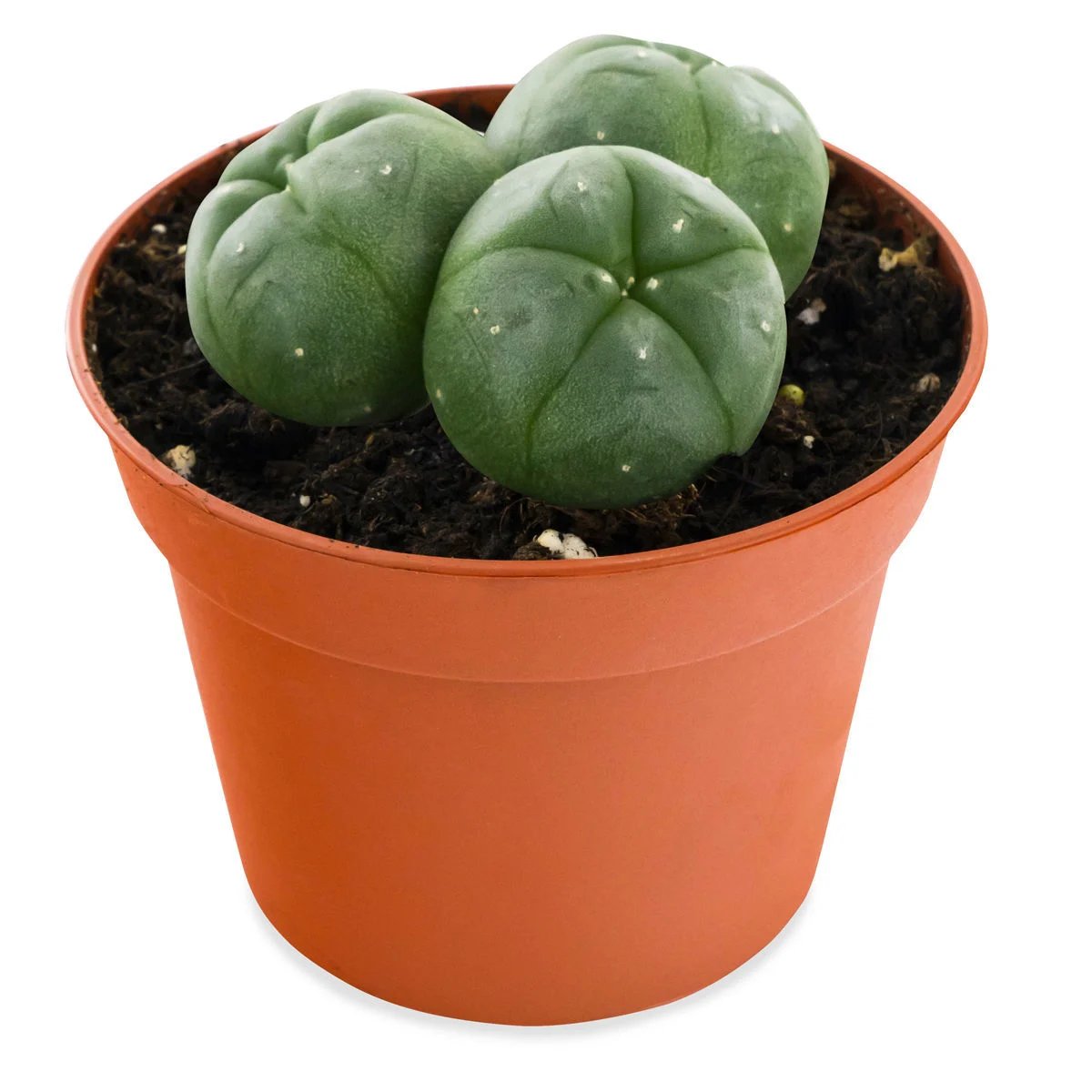


Peyote Cactus
120.00€
Peyote Cactus: Origin, Characteristics, and Cultural Significance
Peyote Cactus is a small, spineless cactus known for its unique appearance and long history in botanical and cultural contexts. Native to parts of North America, particularly Mexico and the southwestern United States, this plant has attracted attention from researchers, botanists, and historians alike.
Unlike many other cactus species, this plant is recognized for its button-like shape and slow growth. It thrives in harsh desert environments where few plants can survive, making it an interesting subject in studies related to adaptation and resilience.
Understanding this plant provides valuable insight into desert ecosystems, plant evolution, and cultural history.
What Is Peyote Cactus?
Peyote Cactus (scientifically known as Lophophora williamsii) is a small cactus species that grows close to the ground. It is spineless and typically appears as a rounded, button-like structure.
This plant is commonly found in:
-
arid desert regions
-
rocky soils
-
areas with low rainfall
-
environments with high temperatures
Its unique structure allows it to conserve water and survive in extreme conditions.
Origin and Natural Habitat
The natural habitat of this plant is primarily in northern Mexico and parts of Texas. It thrives in desert environments where temperatures are high and water is scarce.
The plant grows slowly and is often found among limestone-rich soils. These conditions provide the nutrients and drainage needed for its survival.
Because of its slow growth rate, it is considered a sensitive species in its natural environment.
Physical Characteristics
This cactus has several distinctive features that set it apart from other species.
Common characteristics include:
-
small, rounded, button-like shape
-
blue-green coloration
-
absence of spines
-
soft and fleshy texture
It typically grows in clusters over time, forming groups of small rounded heads.
These features help it adapt to desert conditions by minimizing water loss.
Growth and Life Cycle
The growth of this plant is relatively slow compared to other cactus species. It can take several years to reach maturity.
The life cycle includes:
-
Seed stage – germination begins under suitable conditions
-
Early growth – small button-like structures form
-
Maturity – the plant develops its full shape
-
Flowering – produces small flowers under the right conditions
This slow development makes it an interesting subject for botanical research.
Adaptation to Desert Environments
This cactus has developed several adaptations that allow it to survive in harsh desert conditions.
These adaptations include:
-
water storage in its fleshy body
-
reduced surface area to limit evaporation
-
ability to withstand high temperatures
-
efficient use of available nutrients
These features make it well-suited for life in arid regions.
Cultural and Historical Importance
Peyote Cactus has a long history of cultural significance among indigenous communities. It has been used in traditional practices and ceremonies for generations.
Its importance extends beyond botany, as it plays a role in cultural identity and heritage.
Researchers often study this plant not only for its biological characteristics but also for its historical and cultural context.
Conservation and Environmental Concerns
Due to its slow growth and specific habitat requirements, this plant faces challenges related to conservation. Overharvesting and environmental changes can impact its natural populations.
Conservation efforts focus on:
-
protecting natural habitats
-
promoting sustainable practices
-
raising awareness about its ecological importance
These efforts are essential to ensure the long-term survival of the species.
Why This Plant Is Studied
This cactus is widely studied in fields such as botany, ecology, and cultural research. Its unique characteristics and adaptations make it a valuable subject for scientific study.
Researchers are interested in:
-
its adaptation to extreme environments
-
its slow growth patterns
-
its role in desert ecosystems
-
its cultural significance
Studying this plant helps expand knowledge in multiple disciplines.
Conclusion
Plants that thrive in extreme environments provide valuable insight into nature’s adaptability. Peyote Cactus stands out as a unique species due to its origin, characteristics, and cultural importance.
By understanding this plant, researchers and enthusiasts can gain a deeper appreciation of desert ecosystems, plant evolution, and the connection between nature and culture.
Reviews
There are no reviews yet.