
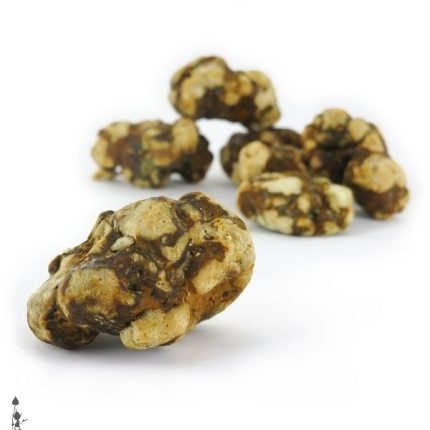
Mothers Finest
310.00€
Mother’s Finest: Characteristics, Origin, and Mycology Research Interest
The world of mycology contains thousands of mushroom species and many different strains. Some strains gain attention because of their unusual appearance, unique genetics, or interesting history. One strain often mentioned in mushroom communities is Mother’s Finest.
This strain is usually discussed within the Psilocybe cubensis group, a species of mushroom widely studied by mycologists because of its diversity and adaptability. Each strain within this species can show different physical traits, growth patterns, and genetic variations.
In this article, we explore the background of this strain, its features, and why it has attracted interest among mushroom researchers and enthusiasts.
What Are Mushroom Strains?
A mushroom strain refers to a genetic variation within a species. Even though mushrooms may belong to the same species, different strains can show different characteristics.
For example, strains may vary in:
-
Color of the cap
-
Size and shape of the stem
-
Growth speed
-
Resistance to environmental conditions
-
Mycelium growth patterns
These variations occur naturally through mutation, environmental adaptation, or selective isolation by researchers.
Studying different strains helps mycologists understand how fungal genetics evolve over time.
Origin of the Mother’s Finest Strain
The strain known as Mother’s Finest is often discussed in online mycology forums and research communities. Like many cubensis strains, it likely originated from a specific genetic isolation that showed interesting features.
Because mushrooms reproduce through spores, each generation can produce small genetic changes. Over time, these variations may become recognized as unique strains.
Researchers and collectors sometimes preserve these strains for observation and genetic study.
Although many details about the exact origin remain unclear, the strain continues to attract attention because of its reputation and distinct identity within the cubensis group.
Characteristics Often Discussed
Many mushroom strains are recognized because of their physical features or growth behavior. While characteristics may vary depending on environment and genetics, several traits are often mentioned when people talk about this strain.
Appearance
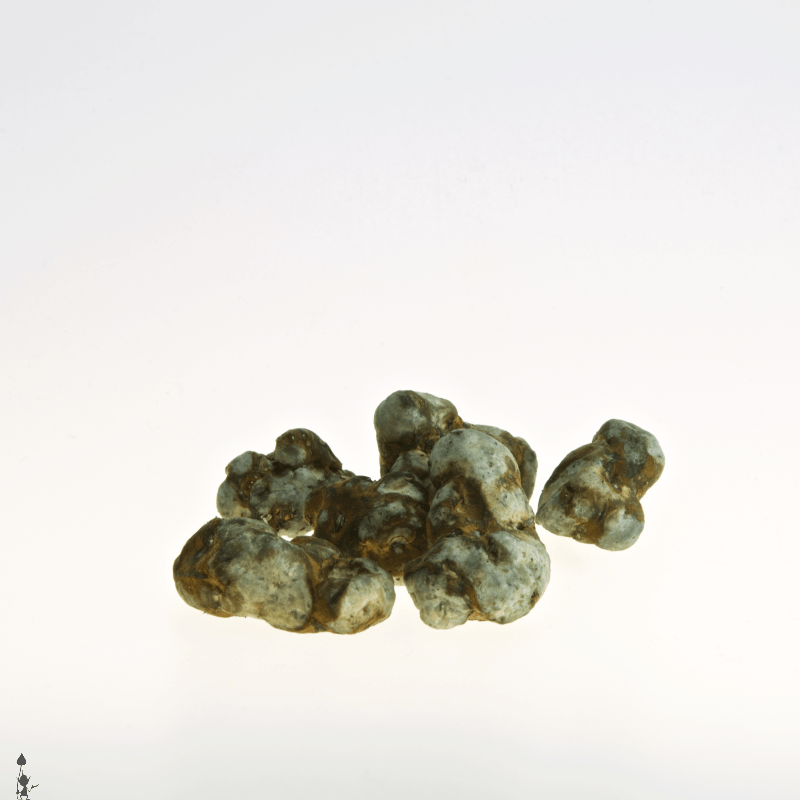
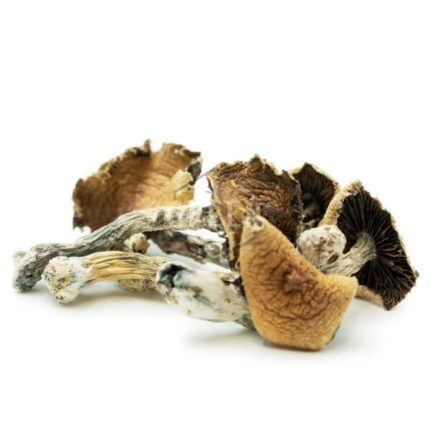
Some reports describe mushrooms from this strain as having a well-formed cap and sturdy stem structure. Like other cubensis mushrooms, the cap may range in color from light brown to golden shades.
Growth Behavior
Different strains may colonize substrates at different speeds. Mycologists often compare strains to understand how quickly the mycelium spreads and how it reacts to environmental conditions.
Genetic Diversity
Because fungi reproduce through spores, genetic variation is common. This diversity allows mycologists to observe how different genetic lines behave under laboratory conditions.
These characteristics make strains interesting subjects for fungal research and identification.
Importance of Studying Mushroom Genetics
Fungi are among the most important organisms in the natural world. They help break down organic material, recycle nutrients, and support ecosystems.
Studying different mushroom strains helps scientists understand:
Evolution of Fungi
Genetic variation between strains provides insight into how fungi adapt to different environments.
Environmental Roles
Fungi are essential for soil health, plant growth, and nutrient recycling.
Biological Diversity
Learning about strain variation helps scientists understand how species develop new characteristics over time.
Research into fungal genetics continues to grow as scientists discover new species and strains.
Liquid Cultures and Mycelium Research
Many mycologists study fungi using laboratory culture techniques. One common method is growing fungal mycelium in liquid or solid nutrient media.
This allows researchers to observe:
-
Growth patterns of mycelium
-
Genetic stability
-
Reactions to environmental changes
-
Interaction with nutrients
Culturing fungi in controlled environments helps scientists gather more reliable data.
By comparing different strains, researchers can better understand how fungal organisms function.
Why Rare Mushroom Strains Attract Interest
Rare or unusual strains often generate curiosity among researchers and enthusiasts. This is similar to how rare plant varieties or unique animal breeds attract attention in other scientific fields.
Strains like Mother’s Finest are interesting because they show how small genetic differences can lead to noticeable changes in appearance and growth.
Studying these variations contributes to broader scientific knowledge about fungal biology.
The Role of Mycology in Science
Mycology is the scientific study of fungi. This field includes research into mushrooms, molds, yeasts, and other fungal organisms.
Fungi play many important roles, including:
-
Decomposing organic matter
-
Supporting forest ecosystems
-
Producing antibiotics and medicines
-
Helping plants absorb nutrients
Modern mycology research combines chemistry, biology, and environmental science to better understand these organisms.
Responsible Research and Education
People interested in fungi are encouraged to focus on education and responsible research practices. Accurate identification and scientific observation are essential when studying mushrooms.
Researchers often recommend:
-
Learning fungal identification skills
-
Studying mycology textbooks and scientific papers
-
Observing fungi in natural environments
-
Respecting environmental regulations and conservation practices
Education helps ensure that fungal research continues to provide valuable scientific insights.
Final Thoughts
Mother’s Finest is one of many strains that illustrate the diversity within the Psilocybe cubensis species. While many details about specific strains continue to evolve, studying fungal genetics remains an important part of modern biological research.
Mycology continues to reveal fascinating discoveries about fungi and their role in ecosystems. As research advances, scientists will continue to learn more about the complex world of fungal organisms and their genetic diversity.
Understanding mushroom strains helps expand knowledge about biology, ecology, and the natural environment.
Related products

Reviews
There are no reviews yet.