
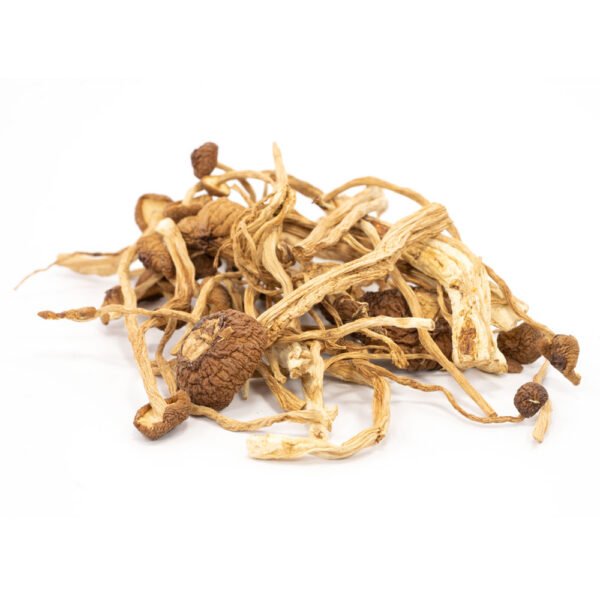
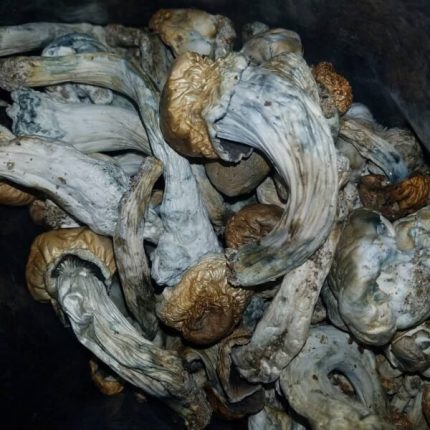
Mexican Magic Mushroom
130.00€
Mexican Magic Mushroom: Origin, History, and Mycology Interest
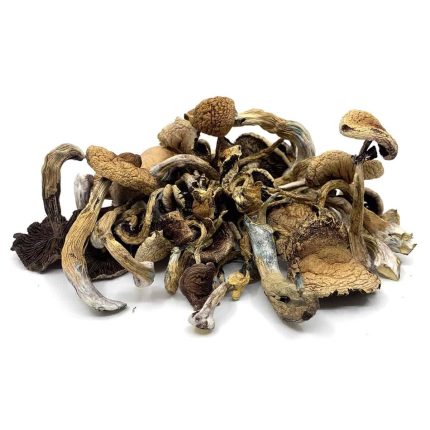
The Mexican Magic Mushroom is one of the most historically significant mushrooms discussed in both cultural traditions and mycology research. This mushroom is commonly associated with the species Psilocybe mexicana, a fungus native to regions of Mexico and Central America.
For centuries, mushrooms belonging to this group have attracted attention because of their cultural importance and their role in scientific research into fungal biology. Today, mycologists continue to study these mushrooms to better understand their genetics, ecological roles, and historical significance.
Exploring the background of this mushroom helps reveal how fungi have influenced human culture and scientific discovery.
1. Historical Origins in Mexico
The Mexican Magic Mushroom has a long cultural history in Mexico. Historical records and anthropological research suggest that certain mushroom species were used in traditional ceremonies by indigenous communities.
These traditions were often connected with spiritual practices and cultural rituals. Archaeological findings, including ancient carvings and artwork, indicate that mushrooms played an important symbolic role in some early Mesoamerican cultures.
Because of this history, these mushrooms became widely known outside Mexico during the twentieth century when researchers began studying them.
2. Scientific Identification
The mushroom commonly associated with this name belongs to the species Psilocybe mexicana. It was scientifically described by mycologists who studied fungi native to Mexico.
Key classification details include:
-
Kingdom: Fungi
-
Genus: Psilocybe
-
Species: Psilocybe mexicana
This species grows naturally in certain regions with suitable climate conditions such as moderate humidity and organic-rich soil.
Scientists often study this species to understand fungal biology and the diversity of mushrooms within the Psilocybe genus.
3. Physical Characteristics
Like many small mushrooms in the Psilocybe genus, this species has several distinctive physical features.
Typical characteristics include:
-
small caps with a light brown color
-
thin stems
-
caps that may flatten as they mature
-
growth in grassy or forest environments
Because mushrooms respond strongly to environmental conditions, their appearance may vary depending on temperature, humidity, and available nutrients.
This variation is common in many fungal species.
4. Discovery by Modern Researchers
Although indigenous cultures had known about these mushrooms for centuries, they became widely known internationally in the mid-twentieth century.
Researchers and ethnobotanists began studying traditional practices involving mushrooms in rural regions of Mexico. These studies brought attention to the species and sparked scientific interest in fungal compounds and mushroom biology.
This research helped introduce the species to the scientific community and inspired further studies in mycology.
5. Role of Mycelium in Mushroom Life Cycle
Before mushrooms appear above the surface, the organism exists primarily as mycelium. Mycelium is a network of microscopic fungal threads that spread through soil or organic material.
This underground network is responsible for absorbing nutrients and supporting mushroom growth.
Mycelium plays several important roles:
-
decomposing organic matter
-
recycling nutrients in ecosystems
-
supporting the growth of fruiting bodies (mushrooms)
In forest environments, mycelium can form extensive networks that connect plant roots and improve soil health.
6. Importance of Fungi in Ecosystems
Fungi are essential organisms that maintain balance in natural environments. They help break down dead plant material and return nutrients to the soil.
Without fungi, ecosystems would struggle to recycle organic matter effectively.
Important ecological roles of fungi include:
-
decomposition of organic materials
-
soil nutrient recycling
-
support of plant root systems
-
maintenance of ecosystem balance
Because of these important roles, scientists continue to study fungi to better understand their environmental impact.
7. Diversity Within the Psilocybe Genus
The Psilocybe genus contains many different species found in various parts of the world. These mushrooms grow in tropical, subtropical, and temperate climates.
Different species show variations in:
-
size and shape
-
cap color
-
growth environment
-
genetic characteristics
Studying this diversity helps scientists learn how fungi evolve and adapt to different ecosystems.
The genus remains an active area of scientific research in mycology.
Mycology and the Study of Fungal Biology
Mycology is the scientific discipline focused on studying fungi. Researchers in this field investigate fungal species, their ecological roles, and their genetic diversity.
Mycologists explore many topics, including:
-
fungal growth cycles
-
biodiversity of mushroom species
-
interactions between fungi and plants
-
environmental adaptation of fungi
Advances in genetic analysis are helping scientists better understand how different fungal species are related.
As research continues, scientists are discovering new fungal species and learning more about their ecological importance.
Responsible Learning About Mushrooms
People interested in mushrooms should approach the subject carefully and responsibly. Many mushroom species look similar, so accurate identification is extremely important.
Responsible mushroom study involves:
-
learning from reliable scientific sources
-
observing fungi in natural environments
-
respecting environmental regulations
-
focusing on education and scientific understanding
Responsible research helps protect ecosystems and ensures accurate scientific knowledge.
Final Thoughts
The Mexican Magic Mushroom is one of the most historically and scientifically interesting mushrooms associated with Mexico. Its connection to cultural traditions and modern mycology research makes it an important species in the study of fungi.
By exploring the history and biology of mushrooms like Psilocybe mexicana, scientists gain valuable insights into fungal diversity, ecosystem roles, and the complex relationships between fungi and the natural world.
As mycology research advances, mushrooms will continue to reveal fascinating discoveries about the hidden networks that support life on Earth.
Related products
Reviews
There are no reviews yet.