
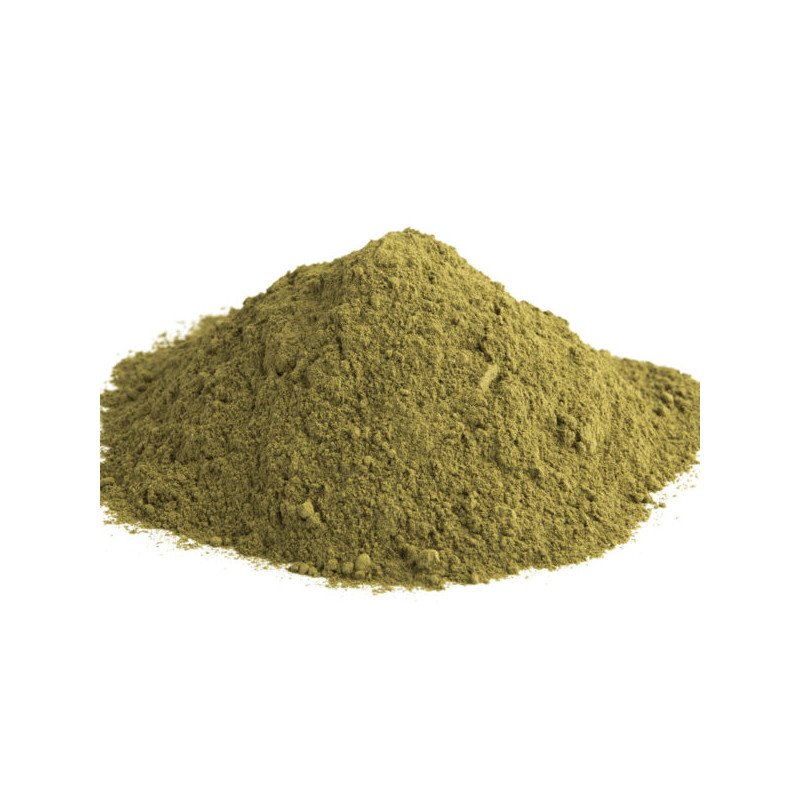
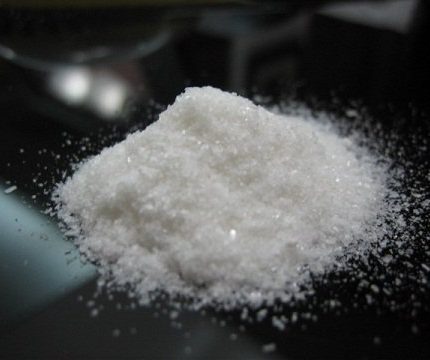
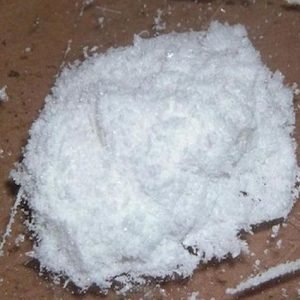
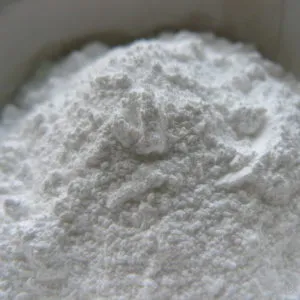
Mescaline Powder
180.00€
Mescaline: History, Effects, and Scientific Interest
Mescaline is a naturally occurring psychedelic compound found in several species of cacti. It has been known for centuries and has a long history connected to indigenous cultural traditions and modern scientific research.
The compound is most commonly associated with cacti such as peyote and San Pedro, which grow in regions of North and South America. Because of its psychoactive properties, mescaline has been studied by scientists interested in how certain chemicals affect perception and brain activity.
Understanding the science and cultural history of mescaline helps researchers and historians learn more about the relationship between plants, culture, and neuroscience.
What Is MP?
Mescaline is a naturally occurring psychedelic alkaloid found in certain cactus species. Chemically, it belongs to a class of compounds known as phenethylamines.
These compounds affect neurotransmitters in the brain, particularly those related to perception and mood.
Scientists study compounds like mescaline to better understand how changes in brain chemistry influence human perception and consciousness.
Natural Sources of MP
Mescaline occurs naturally in several cactus species.
Some well-known examples include:
-
Peyote (Lophophora williamsii)
-
San Pedro cactus (Echinopsis pachanoi)
-
Peruvian Torch cactus (Echinopsis peruviana)
These cacti have been used historically in traditional cultural practices in parts of Mexico and South America.
Because of the slow growth of some cactus species, conservation efforts are important to protect natural populations.
Historical and Cultural Significance
For centuries, indigenous communities in North and Central America have used mescaline-containing cacti in ceremonial traditions.
These practices often had spiritual or cultural significance and were part of long-standing traditions within specific communities.
Anthropologists studying these traditions have documented how certain plants were integrated into cultural rituals and belief systems.
Understanding this history helps researchers appreciate the cultural importance of these plants.
How Mescaline Affects the Brain
Researchers studying MS examine how it interacts with serotonin receptors in the brain.
Serotonin is a neurotransmitter involved in mood, perception, and emotional regulation.
Compounds that influence serotonin receptors may affect:
-
sensory perception
-
mood and emotions
-
cognitive processing
-
visual interpretation
These changes in brain activity are one reason scientists study psychedelic compounds in neuroscience research
Scientific Research on Psychedelic Compounds
In recent years, there has been renewed scientific interest in studying psychedelic compounds, including substances related to mescaline.
Researchers are exploring how compounds that affect serotonin receptors may help scientists better understand mental health conditions and brain function.
Modern research focuses on understanding the neurological mechanisms involved in perception and emotional processing.
These studies are conducted under strict medical and ethical guidelines.
Legal Status
The legal status of MP varies by country.
In many regions, mescaline is classified as a controlled substance due to its psychoactive effects.
However, certain indigenous religious uses may be protected in specific legal contexts.
Because laws differ widely between countries, regulations surrounding mp and related plants can vary significantly.
Importance of Responsible Research
Studying compounds like mescaline requires careful scientific and ethical consideration.
Researchers emphasize the importance of:
-
accurate scientific information
-
respect for cultural traditions
-
responsible research practices
-
environmental conservation of cactus species
Responsible research helps expand scientific knowledge while protecting cultural heritage and natural ecosystems.
Final Thoughts
Mescaline is one of the most historically significant naturally occurring psychedelic compounds. Found in several cactus species, it has played roles in cultural traditions and scientific research for many years.
By studying compounds like mescaline, scientists gain insights into how brain chemistry influences perception and consciousness.
Related products
Buy Methylamine Powder online
220.00€ 1,350.00€Price range: 220.00€ through 1,350.00€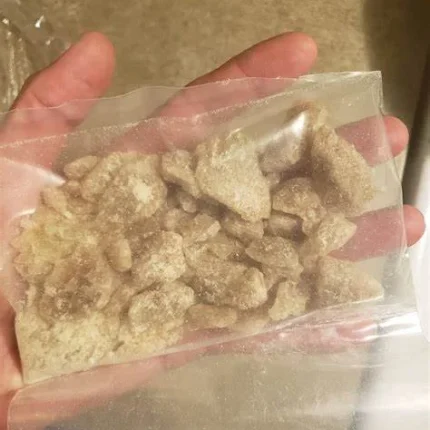
Buy MDMA Crystals Online 94.68%
240.00€ 1,440.00€Price range: 240.00€ through 1,440.00€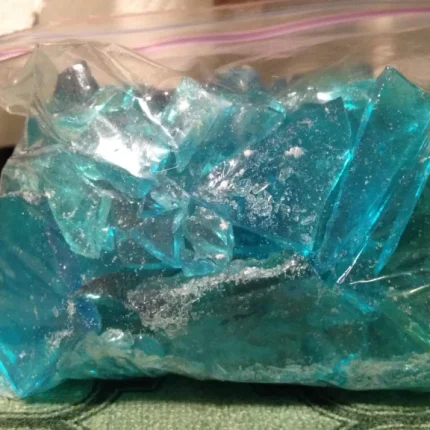
Buy Blue Crystal Meth (Blue Sky)
120.00€ 3,875.00€Price range: 120.00€ through 3,875.00€
Buy Tramadol Powder
86.00€ 1,080.00€Price range: 86.00€ through 1,080.00€
Buy Oxycodone Powder
158.00€ 567.00€Price range: 158.00€ through 567.00€
Buy Gidazepam pellets 3mg
50.00€ 175.00€Price range: 50.00€ through 175.00€
Reviews
There are no reviews yet.