
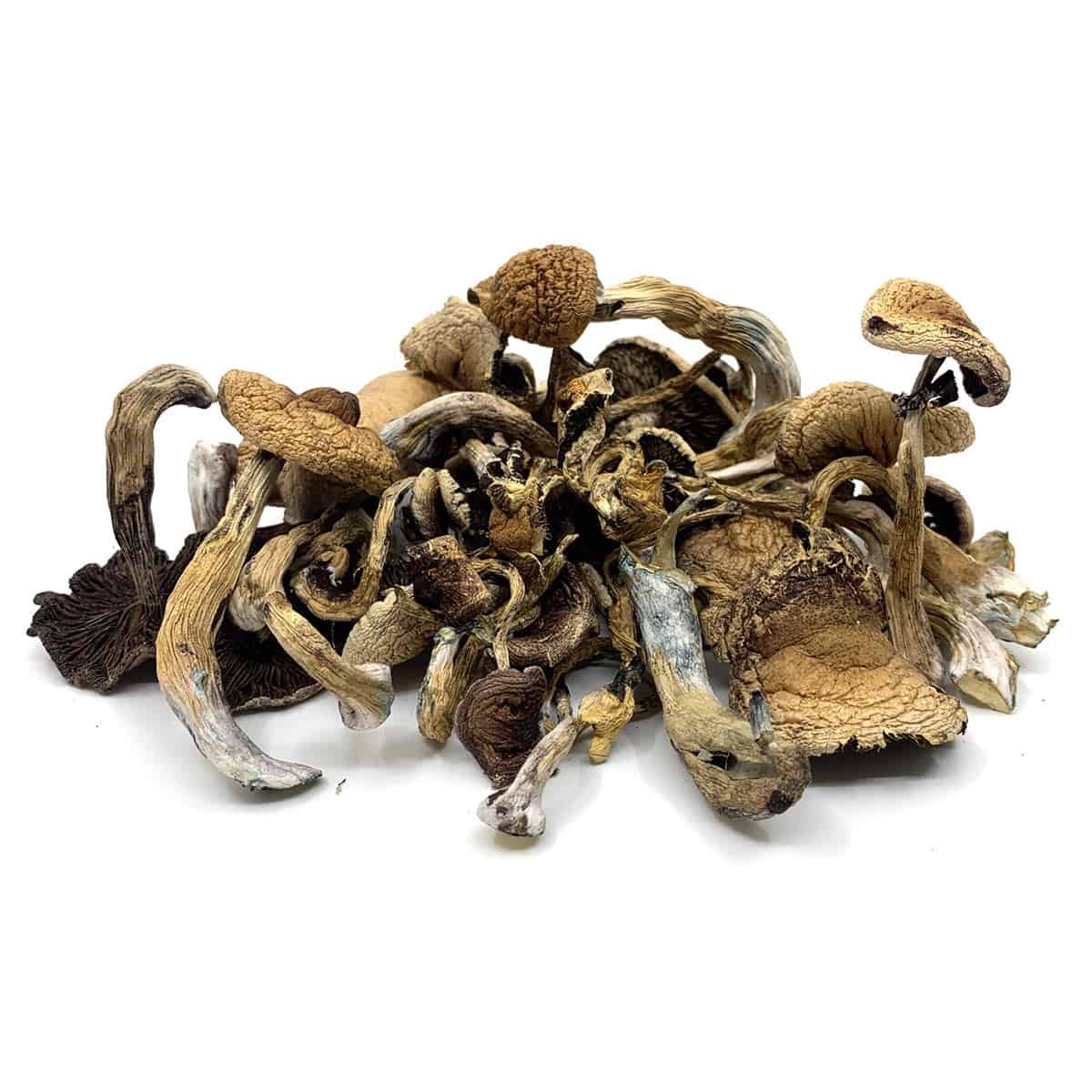
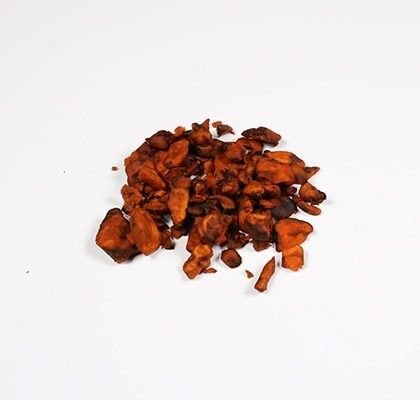
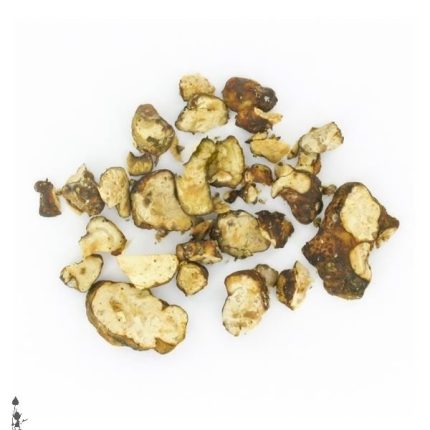
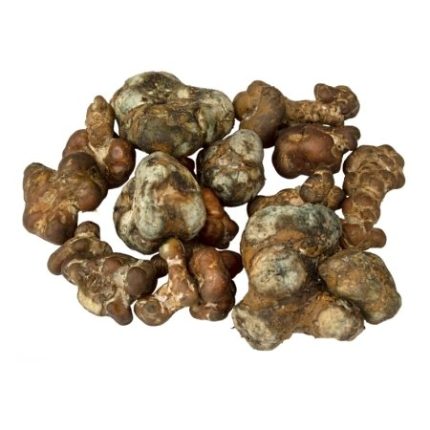
Golden Teacher Magic truffles
270.00€
Golden Teacher Magic Truffles: Origin, Characteristics, and Growing Interest
Golden Teacher Magic Truffles are widely recognized within mycology communities as part of a well-known lineage connected to psilocybin-producing fungi. These truffles, also referred to as sclerotia, develop underground and serve as a survival structure for the organism.
Unlike traditional mushrooms, truffles grow beneath the surface, forming dense, nutrient-rich bodies that allow the fungus to persist in challenging environments. Their unique biology and connection to the Golden Teacher lineage have made them a subject of increasing interest in both cultural and research discussions.
This page provides a structured, informative overview designed to support awareness and understanding.
Why Golden Teacher Magic Truffles Stand Out
Golden Teacher Magic Truffles are often discussed due to their association with one of the most recognized fungal lineages.
Key aspects that make them notable include:
-
connection to a widely known strain lineage
-
underground growth as sclerotia
-
distinct structural formation
-
increasing attention in mycology discussions
These factors contribute to their recognition in modern fungal studies.
What Are Magic Truffles (Sclerotia)?
Magic truffles are not technically mushrooms but rather compact masses of mycelium that store nutrients. These structures form underground and act as a survival mechanism.
They develop when environmental conditions are not ideal for mushroom growth, allowing the organism to conserve energy and remain viable.
This biological adaptation makes truffles an interesting subject in fungal research.
Physical Characteristics
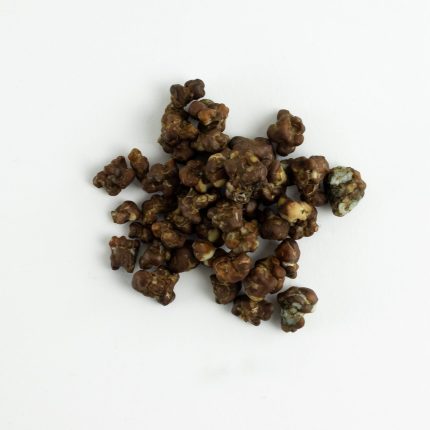
These truffles have a distinct appearance that sets them apart from above-ground fungi.
Common features include:
-
irregular, stone-like shapes
-
dense internal composition
-
earthy brown coloration
-
firm and compact texture
Their structure reflects their function as nutrient storage bodies.
Growth and Development
The formation of truffles follows a unique biological process.
Key stages include:
-
expansion of mycelium within the substrate
-
accumulation of nutrients
-
compaction into dense sclerotia structures
This process allows the organism to survive and later produce mushrooms under favorable conditions.
Cultural and Research Interest
Golden Teacher Magic Truffles have gained attention in both cultural and academic discussions. Their connection to psilocybin-producing fungi has made them a topic of interest in various fields.
Areas of discussion include:
-
fungal biology and classification
-
historical and cultural context
-
ongoing scientific research
These discussions are typically conducted within regulated and controlled frameworks.
Safety and Legal Awareness
The legal status of these truffles varies depending on location. In many regions, substances associated with psilocybin are controlled or restricted.
Important considerations include:
-
checking local regulations
-
understanding legal frameworks
-
ensuring compliance with applicable laws
Awareness is essential when dealing with such topics.
Packaging and Handling Context
In structured environments, truffles are handled with care to maintain their integrity.
Common considerations include:
-
controlled storage conditions
-
protection from environmental exposure
-
proper handling practices
These factors are important in maintaining consistency and quality.
Why Informational Pages Help Your Store
For e-commerce websites, pages like this serve an important purpose:
-
improve SEO rankings
-
build authority in your niche
-
increase user trust
-
reduce risk of penalties
This approach helps your site grow sustainably.
Conclusion
The world of fungi is complex and constantly evolving. Golden Teacher Magic Truffles represent a unique aspect of this field, combining distinctive growth patterns with cultural and research relevance.
Golden Teacher Magic Truffles: Origin, Characteristics, and Growing Interest
Golden Teacher Magic Truffles are widely recognized within mycology communities as part of a well-known lineage connected to psilocybin-producing fungi. These truffles, also referred to as sclerotia, develop underground and serve as a survival structure for the organism.
Unlike traditional mushrooms, truffles grow beneath the surface, forming dense, nutrient-rich bodies that allow the fungus to persist in challenging environments. Their unique biology and connection to the Golden Teacher lineage have made them a subject of increasing interest in both cultural and research discussions.
This page provides a structured, informative overview designed to support awareness and understanding.
Why Golden Teacher Magic Truffles Stand Out
Golden Teacher Magic Truffles are often discussed due to their association with one of the most recognized fungal lineages.
Key aspects that make them notable include:
-
connection to a widely known strain lineage
-
underground growth as sclerotia
-
distinct structural formation
-
increasing attention in mycology discussions
These factors contribute to their recognition in modern fungal studies.
What Are Magic Truffles (Sclerotia)?
Magic truffles are not technically mushrooms but rather compact masses of mycelium that store nutrients. These structures form underground and act as a survival mechanism.
They develop when environmental conditions are not ideal for mushroom growth, allowing the organism to conserve energy and remain viable.
This biological adaptation makes truffles an interesting subject in fungal research.
Physical Characteristics
These truffles have a distinct appearance that sets them apart from above-ground fungi.
Common features include:
-
irregular, stone-like shapes
-
dense internal composition
-
earthy brown coloration
-
firm and compact texture
Their structure reflects their function as nutrient storage bodies.
Growth and Development
The formation of truffles follows a unique biological process.
Key stages include:
-
expansion of mycelium within the substrate
-
accumulation of nutrients
-
compaction into dense sclerotia structures
This process allows the organism to survive and later produce mushrooms under favorable conditions.
Cultural and Research Interest
Golden Teacher Magic Truffles have gained attention in both cultural and academic discussions. Their connection to psilocybin-producing fungi has made them a topic of interest in various fields.
Areas of discussion include:
-
fungal biology and classification
-
historical and cultural context
-
ongoing scientific research
These discussions are typically conducted within regulated and controlled frameworks.
Safety and Legal Awareness
The legal status of these truffles varies depending on location. In many regions, substances associated with psilocybin are controlled or restricted.
Important considerations include:
-
checking local regulations
-
understanding legal frameworks
-
ensuring compliance with applicable laws
Awareness is essential when dealing with such topics.
Packaging and Handling Context
In structured environments, truffles are handled with care to maintain their integrity.
Common considerations include:
-
controlled storage conditions
-
protection from environmental exposure
-
proper handling practices
These factors are important in maintaining consistency and quality.
Why Informational Pages Help Your Store
For e-commerce websites, pages like this serve an important purpose:
-
improve SEO rankings
-
build authority in your niche
-
increase user trust
-
reduce risk of penalties
This approach helps your site grow sustainably.
Conclusion
The world of fungi is complex and constantly evolving. Golden Teacher Magic Truffles represent a unique aspect of this field, combining distinctive growth patterns with cultural and research relevance.
Related products


Reviews
There are no reviews yet.