


Buy 3 Spore vials, and get 15% off
17.25€
Spore Vials: Storage, Purpose, and Mycology Research
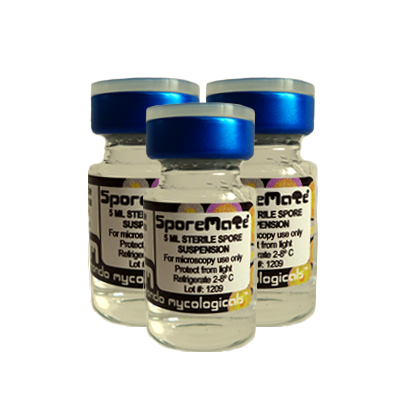
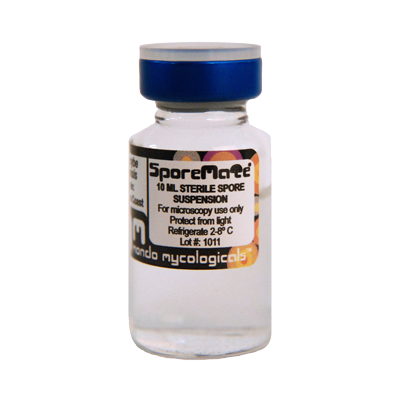
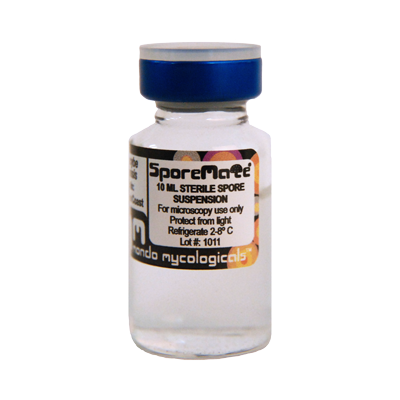
Spore Vials are small containers used in mycology to store and preserve mushroom spores. These vials are commonly used by researchers, collectors, and mycology enthusiasts who study fungal genetics and biodiversity.
Mushroom spores are microscopic reproductive cells that allow fungi to reproduce and spread. Because spores are extremely small and sensitive to contamination, proper storage is important for maintaining their quality.
Spore vials provide a convenient way to store spores safely while keeping them protected from moisture, air exposure, and contamination.
Understanding how spores are stored and studied helps reveal the fascinating biology of fungi and their life cycles.
What Are Spore Vials?
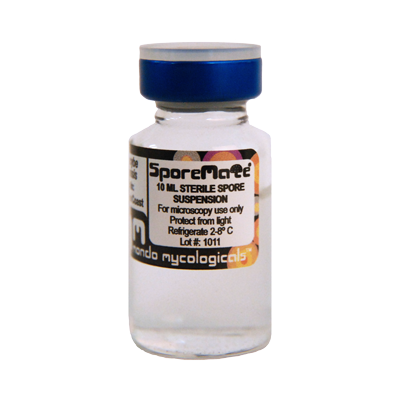
Spore Vials are small sealed containers that hold mushroom spores in a dry or preserved form. They are typically made of glass or plastic and sealed with a tight cap to prevent contamination.
These vials allow researchers to store spores for extended periods of time while maintaining their stability.
Spore vials are commonly used for:
-
microscopy research
-
spore collection and storage
-
fungal identification studies
-
preserving mushroom genetics
Because spores are extremely lightweight, even a small amount can contain millions of microscopic reproductive cells.
Why Spore Storage Is Important
Proper storage is essential for maintaining the viability and quality of mushroom spores.
Spores can be sensitive to environmental factors such as:
-
moisture
-
heat
-
light exposure
-
contamination from bacteria or other fungi
Using Spore Vials helps protect spores from these environmental risks. Sealed containers help keep spores dry and stable, which is important for long-term storage.
Researchers often store spore samples as part of fungal research collections.
How Spores Function in the Fungal Life Cycle
Spores play a key role in fungal reproduction. They function in a similar way to seeds in plants.
When spores land in a suitable environment, they may germinate and begin forming mycelium, which is the main body of the fungus.
Mycelium is a network of microscopic threads that spread through organic material and absorb nutrients.
Once the mycelium becomes established, mushrooms may eventually form as fruiting bodies that release new spores.
This cycle allows fungi to reproduce and spread across different environments.
Characteristics of Mushroom Spores
Mushroom spores have several interesting characteristics that make them important for scientific study.
Some key features include:
-
microscopic size that requires a microscope to observe
-
unique shapes that vary between species
-
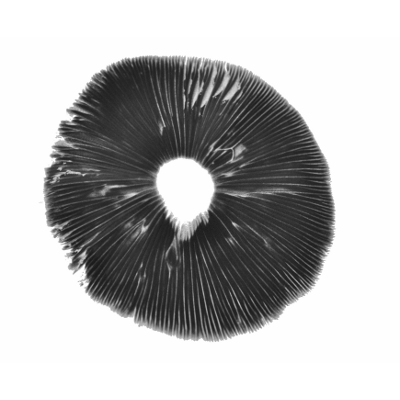
distinctive colors in spore prints
-
ability to remain dormant until conditions are suitable
Because spores vary between species, mycologists often examine them under microscopes to help identify different fungi.
This makes spores valuable tools for scientific classification and research.
Mycology and Spore Research
Mycology is the scientific study of fungi. Researchers studying fungi often focus on spores because they provide insight into fungal genetics and biodiversity.
Spore studies help scientists learn about:
-
fungal reproduction
-
genetic variation between species
-
evolutionary relationships among fungi
-
identification of mushroom species
Spore samples preserved in Spore Vials allow researchers to examine spores long after they were originally collected.
This helps preserve important scientific data about fungal diversity.
Storage and Preservation Methods
Proper storage techniques help ensure spores remain stable for research purposes.
Common storage practices include:
-
keeping spores in sealed containers
-
storing vials in cool, dark environments
-
avoiding moisture exposure
-
labeling samples clearly
Following proper storage practices helps maintain the quality of spore samples for future observation.
Researchers often keep organized collections of spores for ongoing studies.
Importance of Fungi in Ecosystems
Fungi play an essential role in maintaining ecological balance. They break down organic matter and recycle nutrients back into the soil.
Important ecological roles of fungi include:
-
decomposing plant material
-
supporting plant root systems
-
maintaining soil health
-
recycling nutrients in ecosystems
Without fungi, many ecosystems would struggle to maintain healthy nutrient cycles.
This is why mycology research is important for understanding environmental processes.
Responsible Mycology Research
Anyone interested in studying spores should approach the subject responsibly and scientifically.
Responsible mycology research includes:
-
studying reliable scientific resources
-
observing spores using microscopes
-
respecting environmental regulations
-
focusing on education and research
Responsible research practices help expand knowledge about fungi while protecting natural ecosystems.
Final Thoughts
Spore Vials are valuable tools used in mycology research for storing and studying mushroom spores. These small containers help protect spores from environmental damage and allow researchers to preserve fungal samples for future study.
By examining spores and understanding their role in fungal reproduction, scientists gain deeper insight into the diversity and complexity of the fungal kingdom.
Related products

Reviews
There are no reviews yet.