
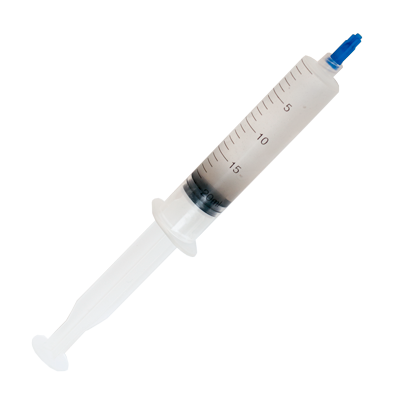
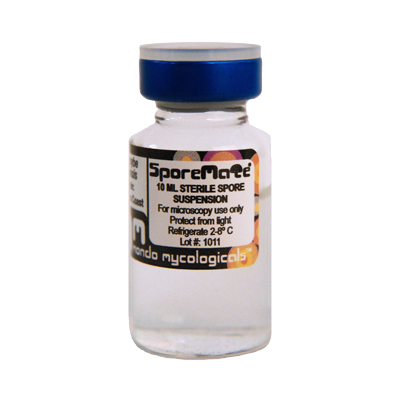
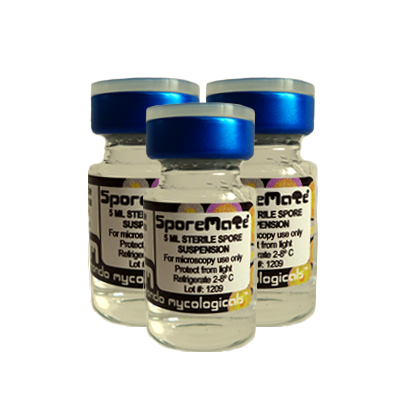
Burma spore syringe 20ml
17.25€
Burma Spore Syringe: Origin, Characteristics, and Mycology Interest
The Burma Spore Syringe is commonly discussed in mycology communities as a tool used to store and distribute mushroom spores for research and microscopy purposes. Spore syringes are widely used by mushroom enthusiasts and researchers who study fungal genetics, spore structure, and mushroom biodiversity.
The Burma strain is associated with the species Psilocybe cubensis, a mushroom species that naturally grows in warm and humid environments. This species is known for its adaptability and the many varieties that have been identified by researchers and hobbyists.
Understanding spore syringes and mushroom strains helps scientists and enthusiasts learn more about fungal reproduction and genetic diversity.
What Is a Burma Spore Syringe?
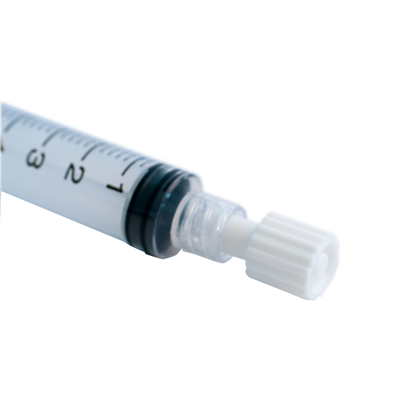
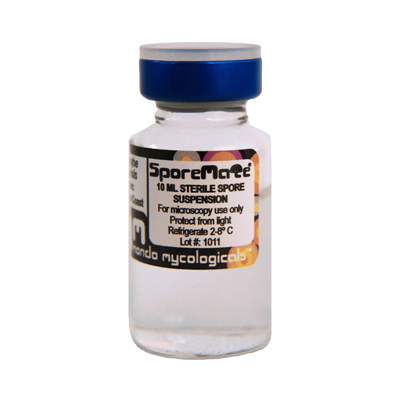
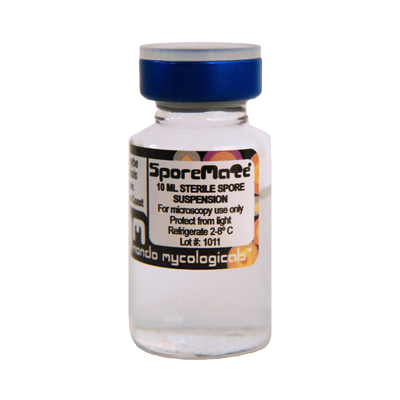
A Burma Spore Syringe is a sterile syringe containing water mixed with microscopic mushroom spores. The spores are suspended in the liquid, allowing them to be distributed evenly for research or microscopic observation.
Spore syringes are commonly used in mycology to:
-
examine spores under microscopes
-
study fungal genetics
-
preserve spore samples
-
transport spores safely in sterile containers
The syringe format helps keep the spores protected from contamination while allowing precise distribution during laboratory work.
Origin of the Burma Mushroom Strain
The Burma mushroom strain is believed to originate from Myanmar, formerly known as Burma. The strain became known in mycology communities after spore samples were collected and shared among researchers.
The tropical climate of Southeast Asia provides ideal conditions for many mushroom species, including Psilocybe cubensis.
Because mushrooms reproduce through spores, variations collected from different regions can develop unique characteristics. Over time, these variations become recognized as different strains within the same species.
Characteristics of the Burma Strain
Mushrooms associated with the Burma strain display characteristics typical of many cubensis mushrooms.
Common features may include:
-
caps with golden or light brown coloration
-
slender stems
-
caps that flatten as they mature
-
growth in warm and humid environments
Environmental conditions such as temperature, humidity, and nutrients can influence the final appearance of mushrooms.
Because fungi are highly adaptable, mushrooms from the same strain may show slight differences depending on their environment.
The Role of Spores in Mushroom Reproduction
Spores play an important role in the life cycle of fungi. They function similarly to seeds in plants, allowing mushrooms to reproduce and spread.
When spores land in a suitable environment, they can germinate and form mycelium, which is the main body of the fungus.
Mycelium is a network of microscopic threads that spreads through organic material and absorbs nutrients. Once the mycelium becomes well established, mushrooms may develop as fruiting bodies.
Studying spores helps scientists understand fungal reproduction and genetic diversity.
Importance of Mycelium in Fungal Growth
Mycelium forms the foundation of fungal life. Before mushrooms appear, the organism exists primarily as a network of mycelial threads.
Mycelium performs several important functions:
-
absorbing nutrients from organic material
-
breaking down plant matter
-
supporting mushroom development
-
recycling nutrients in ecosystems
In natural environments, mycelium networks can extend across large areas and connect plant roots within soil ecosystems.
These networks help maintain soil health and ecological balance.
Mycology and the Study of Fungi
Mycology is the scientific study of fungi. Researchers in this field examine fungal genetics, biodiversity, and ecological roles.
Scientists studying fungi often explore topics such as:
-
fungal life cycles
-
genetic variation between strains
-
interactions between fungi and plants
-
environmental adaptation of fungi
Because fungi play a crucial role in nutrient recycling, they are considered essential organisms within ecosystems.
Research in mycology continues to expand as scientists discover new fungal species and genetic variations.
Responsible Mycology Research
Anyone interested in mushroom spores should approach the subject responsibly. Accurate identification and proper research practices are important when studying fungi.
Responsible research includes:
-
learning from reliable mycology resources
-
observing spores under microscopes
-
respecting environmental regulations
-
focusing on scientific education
Responsible research helps ensure accurate scientific knowledge and protects natural ecosystems.
Final Thoughts
The Burma Spore Syringe is an example of a mycology tool used for studying mushroom spores and fungal genetics. Associated with the Burma cubensis strain, it helps researchers explore fungal diversity and the fascinating life cycle of mushrooms.
Understanding spores, mycelium, and fungal biology provides insight into how fungi grow, reproduce, and contribute to ecosystems.
Related products

Reviews
There are no reviews yet.