

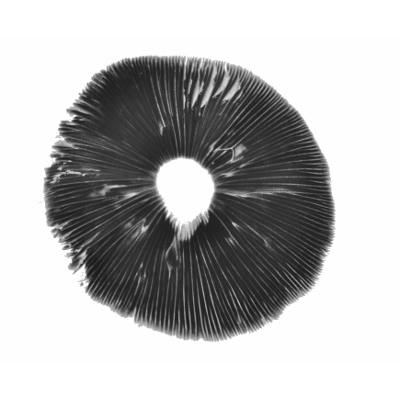

B+ cubensis spores
20.30€
B+ Cubensis Spores: Origin, Characteristics, and Mycology Interest
B+ Cubensis Spores are widely discussed in mycology communities and are often used for microscopy and fungal research. These spores come from the B+ variety of Psilocybe cubensis, a mushroom species known for its adaptability and global distribution in warm climates.
Mycology enthusiasts and researchers study mushroom spores to learn about fungal genetics, reproduction, and biodiversity. By examining spores under microscopes, scientists can identify species and better understand the life cycle of fungi.
The B+ variety has become one of the most recognized cubensis strains, making its spores a common subject in mycology research discussions.
What Are B+ Cubensis Spores?
B+ Cubensis Spores are microscopic reproductive cells produced by mushrooms belonging to the B+ variety of Psilocybe cubensis. These spores function similarly to seeds in plants, allowing the fungus to reproduce and spread.
Each mushroom cap can release millions of spores into the surrounding environment. When spores land in suitable conditions, they may germinate and begin developing into fungal mycelium.
Spores are extremely small and require microscopes to observe their structure and shape.
Because of their importance in fungal reproduction, spores are commonly studied in mycology laboratories and research environments.
Origin of the B+ Cubensis Strain
The B+ cubensis strain is believed to have been popularized in North America and later spread through mycology communities around the world.
Although the exact origin is debated, the strain became widely recognized because of its adaptability and ability to grow in a range of environmental conditions.
Over time, the B+ strain gained popularity among mushroom enthusiasts due to its distinctive appearance and reputation within cultivation discussions.
Today, the B+ cubensis variety remains one of the most widely known strains associated with the Psilocybe cubensis species.
Characteristics of B+ Cubensis Mushrooms
Mushrooms associated with the B+ variety typically display several recognizable characteristics.
Common traits may include:
-
medium to large caps with light brown or golden colors
-
relatively thick stems
-
caps that flatten as the mushroom matures
-
growth in warm and humid environments
Environmental factors such as humidity, temperature, and nutrient availability can influence the final appearance of mushrooms.
Because fungi respond strongly to their surroundings, mushrooms from the same strain may vary slightly depending on growing conditions.
The Role of Spores in Fungal Reproduction
Spores are the primary method of reproduction for many fungi. When released from mature mushrooms, spores travel through the air and settle in new environments.
If conditions are favorable, spores may germinate and form mycelium, the network of microscopic threads that make up the main body of the fungus.
Mycelium spreads through organic material and absorbs nutrients from its surroundings.
Once the mycelium becomes established, mushrooms may eventually develop as fruiting bodies that release new spores, continuing the life cycle.
Importance of Mycelium in the Fungal Life Cycle
Mycelium plays a crucial role in the growth and survival of fungi. Before mushrooms appear above the surface, the organism exists primarily as a network of mycelial threads.
Mycelium performs several essential functions:
-
absorbing nutrients from organic material
-
decomposing plant matter
-
supporting mushroom development
-
recycling nutrients in ecosystems
In natural environments, mycelium networks can extend through soil and even connect plant roots, helping maintain healthy ecosystems.
Mycology and the Study of Mushroom Spores
Mycology is the scientific study of fungi. Researchers in this field examine spores to better understand fungal genetics and biodiversity.
Studying spores can help scientists:
-
identify different mushroom species
-
analyze genetic variations between strains
-
understand fungal reproduction
-
classify fungi within the fungal kingdom
Microscopy studies often rely on spores because their shape, size, and color provide valuable clues for species identification.
Responsible Study of Mushroom Spores
Anyone interested in mycology should approach the subject responsibly and scientifically.
Responsible research practices include:
-
studying spores for microscopy purposes
-
learning from reliable mycology resources
-
observing fungal characteristics carefully
-
respecting environmental and legal regulations
Education and responsible research help expand knowledge about fungi while protecting ecosystems.
Final Thoughts
B+ Cubensis Spores represent an important subject in mycology research because they illustrate how fungi reproduce and spread through the environment.
By studying spores and fungal life cycles, scientists gain deeper insight into fungal genetics, biodiversity, and ecosystem roles.



Reviews
There are no reviews yet.