


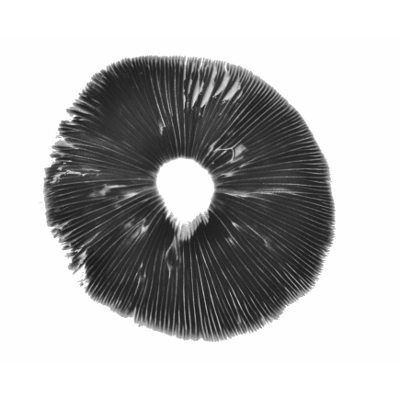
Cambodia cubensis spores
20.33€
Cambodia Cubensis Spores: Origin, Characteristics, and Mycology Interest
Cambodia Cubensis Spores are widely discussed in mycology communities and are often studied for microscopy and fungal research purposes. These spores come from the Cambodia variety of Psilocybe cubensis, a mushroom species known for growing naturally in warm and humid environments.
Mycology enthusiasts examine mushroom spores to better understand fungal reproduction, species identification, and genetic diversity. Because spores carry the genetic material required for fungal growth, they are essential for studying the life cycle of mushrooms.
The Cambodia cubensis variety is recognized for its geographic origin in Southeast Asia and remains a commonly referenced strain in discussions about cubensis mushroom varieties.
What Are Cambodia Cubensis Spores?
Cambodia Cubensis Spores are microscopic reproductive cells produced by mushrooms belonging to the Cambodia variety of Psilocybe cubensis.
Spores function similarly to seeds in plants. When spores land in suitable conditions, they may germinate and develop into fungal mycelium.
Each mature mushroom cap can release millions of spores into the surrounding environment. Because spores are extremely small, they require a microscope to observe their shape and structure.
Mycologists often analyze spores to identify mushroom species and study fungal genetics.
Origin of the Cambodia Cubensis Strain
The Cambodia cubensis strain is believed to originate from regions of Cambodia in Southeast Asia. The warm climate and humid environments of this region provide ideal conditions for many tropical mushroom species.
Spore samples collected from this region were shared among mycology researchers and enthusiasts, helping the strain become widely known in cultivation and research communities.
Like many cubensis varieties, the name of the strain reflects the region where it was originally collected.
Characteristics of Cambodia Cubensis Mushrooms
Mushrooms associated with the Cambodia cubensis variety display characteristics typical of many Psilocybe cubensis mushrooms.
Common features include:
-
medium-sized caps with golden or light brown colors
-
slender stems
-
caps that flatten as mushrooms mature
-
growth in warm and humid environments
Environmental factors such as temperature, humidity, and nutrients can influence the final appearance of mushrooms.
Because fungi respond strongly to their surroundings, mushrooms from the same variety may show slight differences depending on growing conditions.
The Role of Spores in the Fungal Life Cycle
Spores are the primary method of reproduction for many fungi. Mature mushrooms release spores into the air, allowing them to spread across different environments.
If a spore lands in a suitable environment, it may germinate and begin forming mycelium, the network of microscopic threads that forms the main body of the fungus.
Mycelium spreads through organic material and absorbs nutrients from its surroundings.
Once the mycelium becomes established, mushrooms may eventually develop as fruiting bodies that release new spores.
Importance of Mycelium in Fungal Growth
Mycelium plays a crucial role in fungal development. Before mushrooms appear above the surface, the organism exists mainly as a network of microscopic mycelial threads.
This network performs several important functions:
-
absorbing nutrients from organic material
-
breaking down plant matter
-
supporting mushroom formation
-
recycling nutrients in ecosystems
In natural environments, mycelium networks can extend through soil and sometimes connect plant roots, helping maintain ecosystem balance.
Mycology and the Study of Mushroom Spores
Mycology is the scientific study of fungi. Researchers often focus on spores because they provide valuable information about fungal reproduction and species classification.
Spore studies help scientists:
-
identify mushroom species
-
analyze genetic diversity
-
understand fungal life cycles
-
classify fungi within the fungal kingdom
Microscopy research frequently relies on spores because their shape, size, and color can help distinguish different fungi.
Responsible Study of Mushroom Spores
Anyone interested in studying mushroom spores should approach the subject responsibly.
Responsible research practices include:
-
studying spores for microscopy purposes
-
learning from reliable scientific resources
-
carefully observing fungal characteristics
-
respecting environmental and legal regulations
Responsible mycology practices help expand scientific knowledge while protecting natural ecosystems.
Conclusion
Studying mushroom spores provides valuable insight into fungal reproduction and biodiversity. Cambodia Cubensis Spores remain an important subject in mycology discussions because they represent one of the many varieties within the Psilocybe cubensis species.
Related products






Reviews
There are no reviews yet.