
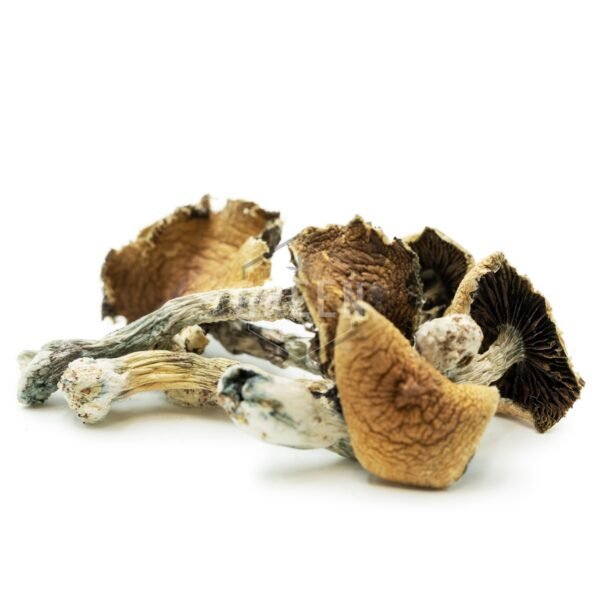
Brazilian Cubensis Mushroom
70.00€
Brazilian Cubensis Mushroom: Origin, Characteristics, and Mycology Interest
The Brazilian Cubensis Mushroom is one of the most widely discussed strains within the Psilocybe cubensis species. In mycology communities, this strain is known for its strong genetics, adaptability, and interesting background. Because of its history and growth characteristics, many mushroom enthusiasts and researchers have studied this strain as part of broader fungal research.
Understanding the background of different mushroom strains helps scientists and enthusiasts learn more about fungal diversity and the way mushrooms evolve in different environments.
1. Origin of the Brazilian Cubensis Mushroom
The Brazilian Cubensis Mushroom is believed to originate from Brazil, a country known for its rich biodiversity and tropical climate. Brazil’s warm temperatures and humid environments create ideal conditions for many fungi species, including Psilocybe cubensis.
Mushrooms belonging to this species are often found growing naturally in tropical and subtropical regions. These areas provide the moisture and organic material that fungi need to thrive.
Because of these environmental conditions, Brazil has become one of the regions associated with naturally occurring cubensis strains.
2. Classification and Scientific Background
The Brazilian strain belongs to the species Psilocybe cubensis, a mushroom that is widely studied in mycology. Scientists classify it within the fungal kingdom, which includes thousands of species ranging from microscopic molds to large mushrooms.
Key classification points include:
-
Kingdom: Fungi
-
Genus: Psilocybe
-
Species: Psilocybe cubensis
This species is known for its wide distribution across tropical climates around the world.
Mycologists study cubensis mushrooms because they display significant variation in size, color, and growth patterns across different strains.
3. Physical Characteristics
Like many cubensis mushrooms, the Brazilian strain shows several recognizable features.
Typical characteristics may include:
-
A golden to caramel-colored cap
-
A relatively slender stem
-
Caps that expand as the mushroom matures
-
Mycelium that spreads efficiently in nutrient-rich environments
These features can vary depending on environmental conditions such as humidity, temperature, and substrate.
Because mushrooms are highly responsive to their surroundings, physical traits can sometimes differ even within the same strain.
4. Growth and Adaptability
One reason the Brazilian Cubensis Mushroom is widely discussed in mycology circles is its adaptability. Many strains of cubensis grow well in warm environments and can tolerate a range of environmental conditions.
Adaptability is important in fungi because environmental changes can affect growth cycles. Some strains show stronger resistance to temperature fluctuations or environmental stress.
Studying these traits helps mycologists understand how fungi adapt to changing ecosystems.
5. Role of Mycelium in Mushroom Growth
Before a mushroom appears above ground, the organism exists primarily as mycelium. Mycelium is a network of microscopic threads that spread through organic material.
This underground network:
-
Absorbs nutrients
-
Breaks down organic matter
-
Supports mushroom growth
Mycelium can extend through soil or organic substrates, forming complex networks that connect different parts of the ecosystem.
In forest environments, fungal mycelium may even interact with plant roots, helping exchange nutrients between plants and soil.
6. Importance of Mushroom Research
Scientists study mushroom species like Psilocybe cubensis to better understand fungal biology and ecosystem roles.
Fungi are essential organisms that help maintain environmental balance. Their role includes:
-
Decomposing organic material
-
Recycling nutrients in soil
-
Supporting plant growth
-
Maintaining healthy ecosystems
Research into fungal biology has also contributed to discoveries in medicine, agriculture, and environmental science.
For example, certain fungi have been used to develop antibiotics and other medical compounds.
7. Diversity of Cubensis Strains
The Psilocybe cubensis species contains many different strains discovered around the world. Each strain may display small genetic differences that affect appearance or growth patterns.
Examples of commonly discussed cubensis strains include:
-
Golden Teacher
-
B+
-
Ecuador
-
Cambodian
-
Brazilian
Studying these strains helps researchers understand how fungi adapt to different climates and ecosystems.
Genetic diversity within species is important because it allows organisms to evolve and survive environmental changes.
Mycology and the Study of Fungi
Mycology is the scientific study of fungi. It is a field that continues to grow as researchers discover new fungal species and learn more about their ecological roles.
Fungi are unique organisms because they do not belong to the plant or animal kingdom. Instead, they form their own biological group with distinctive characteristics.
Scientists studying fungi explore areas such as:
-
fungal genetics
-
ecosystem interactions
-
biodiversity
-
biotechnology
As research tools improve, scientists are gaining deeper insight into how fungi function and interact with the environment.
Responsible Learning About Mushrooms
When studying mushrooms, accurate identification and responsible research are essential. Many mushroom species look similar but can have very different biological properties.
Researchers and enthusiasts are encouraged to:
-
Learn from reliable mycology resources
-
Observe mushrooms in natural environments
-
Respect environmental regulations
-
Focus on scientific understanding
Education plays a key role in expanding knowledge about fungi and their importance to ecosystems.
Final Thoughts
The Brazilian Cubensis Mushroom represents one of the many fascinating strains within the Psilocybe cubensis species. Its tropical origin, adaptability, and recognizable appearance have made it a well-known topic in mycology discussions.
Studying different mushroom strains helps scientists better understand fungal genetics, environmental adaptation, and biodiversity. As mycology research continues to grow, fungi will remain an important area of scientific discovery.
Exploring the diversity of mushrooms not only deepens scientific knowledge but also highlights the incredible complexity of the natural world.
Related products


Reviews
There are no reviews yet.