
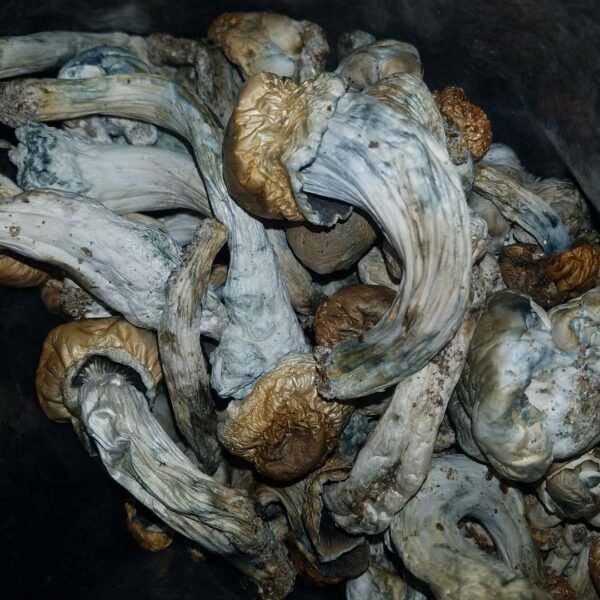
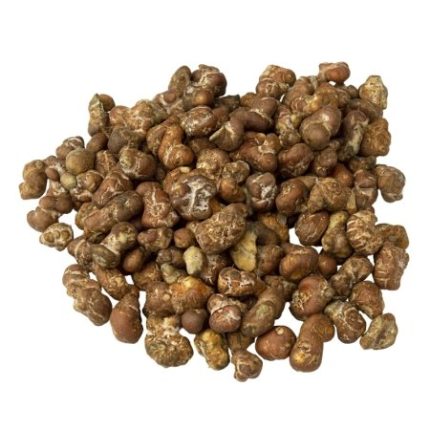
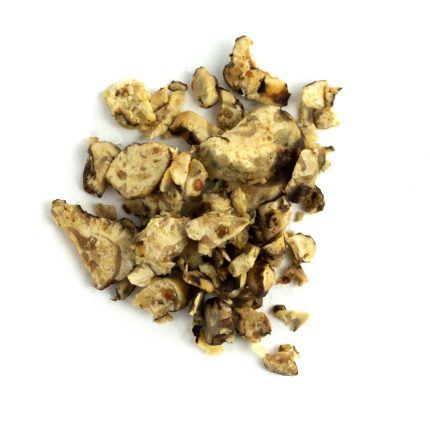
Albino Penis Envy Mushrooms
100.00€
Albino Penis Envy Mushrooms: Origin, Characteristics, and Mycology Interest
Albino Penis Envy Mushrooms are widely discussed in mycology communities because of their distinctive appearance and unusual genetic background. This variety belongs to the species Psilocybe cubensis, a mushroom species known for its global distribution in warm and tropical environments.
Within the Psilocybe cubensis species, different strains have been identified over time due to natural genetic variation and environmental adaptation. Some strains become well known because of their unusual characteristics, and this variety is one example.
Understanding these mushroom varieties helps researchers and enthusiasts learn more about fungal genetics, biodiversity, and the fascinating world of fungi.
1. Origin of the Albino Penis Envy Variety
The Albino Penis Envy Mushrooms variety is believed to be a genetic variation derived from the well-known Penis Envy strain within the Psilocybe cubensis species.
The original strain gained attention because of its unique shape and growth characteristics. Over time, natural mutations and selective genetic variations led to the appearance of an albino version.
The term “albino” refers to a lack of pigmentation. This means the mushrooms appear much lighter in color compared with typical cubensis mushrooms.
Albino variations can occur naturally in many types of organisms, including fungi.
2. Why They Are Called Albino
In biological terms, albino organisms lack the pigments that normally give them color.
For mushrooms, pigmentation affects the color of the cap, stem, and sometimes the spores. In the case of albino varieties, the mushrooms often appear pale white or cream-colored.
However, some so-called albino mushrooms may still produce slightly pigmented spores. Because of this, scientists sometimes describe them as “leucistic” rather than fully albino.
Regardless of terminology, the pale appearance makes this variety visually distinctive.
3. Physical Characteristics
Like other members of the Psilocybe cubensis species, this mushroom variety has several recognizable features.
Typical characteristics include:
-
Light or pale cap coloration
-
Thick stems compared with many cubensis strains
-
Caps that expand as the mushroom matures
-
Dense mycelium growth in suitable environments
The exact appearance can vary depending on environmental factors such as humidity, nutrients, and temperature.
Because fungi respond strongly to their surroundings, individual mushrooms may look slightly different even within the same strain.
4. Genetic Diversity in Mushroom Strains
Mushrooms reproduce using spores, which means genetic variations can occur naturally. When spores germinate and grow, small genetic differences may produce new characteristics.
These variations can influence:
-
size of the mushroom
-
color of the cap
-
growth speed
-
environmental adaptability
Mycologists study these differences to understand how fungal genetics evolve over time.
Genetic diversity helps fungi survive in many different environments across the world.
5. The Role of Mycelium
Before mushrooms appear above the surface, the fungus exists mainly as mycelium. Mycelium is a network of microscopic threads that spread through soil or organic material.
This underground network functions as the main body of the fungus.
Mycelium performs several important tasks:
-
absorbing nutrients
-
decomposing organic matter
-
supporting mushroom growth
-
connecting ecosystems underground
In many ecosystems, fungal mycelium networks interact with plant roots and help exchange nutrients in the soil.
6. Importance of Fungi in Nature
Fungi are essential for healthy ecosystems. Without fungi, natural environments would struggle to recycle nutrients efficiently.
Their ecological roles include:
-
breaking down dead plant material
-
recycling nutrients into soil
-
supporting plant growth
-
maintaining ecological balance
Because fungi play such an important role in ecosystems, scientists continue to study fungal species to better understand environmental processes.
7. Mycology and the Study of Mushroom Species
Mycology is the scientific study of fungi. This field covers everything from mushroom identification to fungal genetics and environmental research.
Scientists studying fungi often explore topics such as:
-
fungal biodiversity
-
ecosystem relationships
-
fungal genetics
-
environmental adaptation
Mushrooms like those in the Psilocybe cubensis species provide valuable insight into how fungi evolve and adapt.
As technology advances, researchers are learning more about fungal genetics and discovering new species around the world.
Responsible Learning About Mushrooms
Anyone interested in mushrooms should approach the topic with curiosity and care. Many species look similar, and accurate identification is important.
Responsible study of fungi involves:
-
learning from reliable scientific sources
-
observing mushrooms in natural environments
-
respecting environmental conservation laws
-
focusing on education and scientific understanding
Mycology offers a fascinating opportunity to explore one of the most diverse groups of organisms on Earth.
Final Thoughts
Albino Penis Envy Mushrooms are an example of the remarkable diversity found within the fungal kingdom. Their pale appearance and unique genetic background make them a topic of interest in mycology discussions.
Studying different mushroom varieties helps scientists understand fungal genetics, environmental adaptation, and biodiversity.
As research into fungi continues, scientists will likely uncover even more fascinating details about the complex and diverse world of mushrooms.
Related products
Reviews
There are no reviews yet.