
Golden Teacher print
20.30€
Golden Teacher Spore Print: Origin, Characteristics, and Mycology Interest
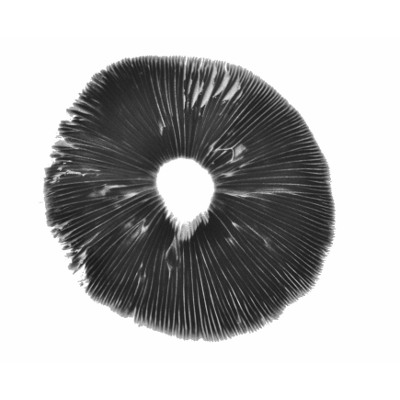
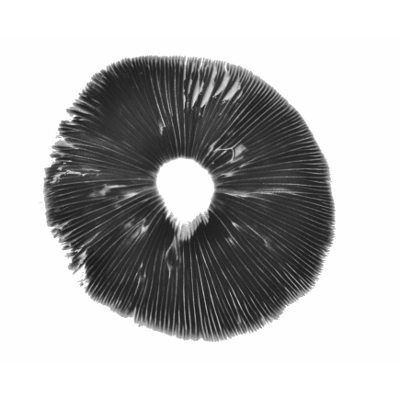
A Golden Teacher Spore Print is a commonly discussed item in mycology, used for studying mushroom spores and understanding fungal reproduction. It comes from the Golden Teacher variety of Psilocybe cubensis, a well-known mushroom strain associated with tropical environments.
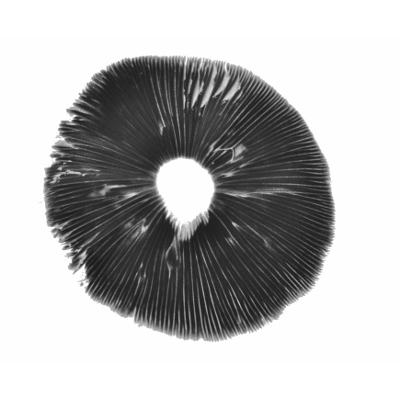
Spore prints are created by placing a mushroom cap on a surface and allowing spores to fall naturally, forming visible patterns. These prints are valuable tools in microscopy and species identification.
Because spores contain genetic information, studying them helps researchers explore fungal diversity and classification.
What Is a Golden Teacher Spore Print?
A Golden Teacher Spore Print is a collection of microscopic spores that have been deposited onto a flat surface. These spores are released from the gills of a mature mushroom cap.
Spore prints are often used in mycology for:
-
microscopy observation
-
species identification
-
studying spore patterns
-
preserving fungal samples
Each print contains millions of spores, even though they appear as a fine powder to the naked eye.
Origin of the Golden Teacher Variety
The Golden Teacher variety is one of the most recognized strains within the Psilocybe cubensis species. It became widely known through mycology communities due to its distinctive appearance and consistent characteristics.
Like many cubensis varieties, it is associated with warm climates where environmental conditions support mushroom growth.
Over time, the strain gained popularity among researchers and enthusiasts studying fungal biology.
Characteristics of Golden Teacher Mushrooms
Mushrooms from this variety display features typical of cubensis species.
Common traits include:
-
golden or caramel-colored caps
-
slender stems
-
caps that flatten as they mature
-
growth in warm and humid environments
Environmental conditions such as humidity and temperature can influence the appearance of mushrooms.
Because fungi adapt to their surroundings, variations can occur even within the same strain.
The Role of Spores in Fungal Life Cycles
Spores are the primary reproductive units of fungi. They function similarly to seeds in plants and allow mushrooms to spread and reproduce.
When spores land in a suitable environment, they may germinate and form mycelium, the network of microscopic threads that makes up the main body of the fungus.
Mycelium grows through organic material, absorbing nutrients and eventually producing mushrooms.
This process completes the fungal life cycle.
Importance of Spore Prints in Mycology
Spore prints are essential tools in fungal research. They help scientists and enthusiasts identify mushroom species based on spore color and pattern.
Benefits of spore prints include:
-
aiding in species identification
-
preserving spores for study
-
analyzing fungal characteristics
-
supporting microscopy research
Because each species produces unique spore patterns, prints are valuable for classification.
Mycology and Spore Research
Mycology is the scientific study of fungi. Researchers use tools like spore prints to explore fungal biology and diversity.
Spore research helps scientists:
-
understand fungal reproduction
-
classify mushroom species
-
study genetic variation
-
explore biodiversity
Microscopy is often used to examine spores in detail, revealing structures that are not visible to the naked eye.
Responsible Study of Mushroom Spores
Anyone interested in mycology should approach the subject responsibly and scientifically.
Good practices include:
-
studying spores for microscopy purposes
-
learning from reliable sources
-
observing fungal characteristics carefully
-
respecting legal and environmental guidelines
Responsible research helps expand knowledge while protecting ecosystems.
Conclusion
Spore prints are valuable tools in the study of fungi and play an important role in mycology research. A Golden Teacher Spore Print provides insight into fungal reproduction, classification, and biodiversity.
By studying spores and their patterns, researchers gain a deeper understanding of how fungi grow and interact with their environment. As interest in mycology continues to grow, spore prints remain essential for exploring the fascinating world of fungi.
Related products


Reviews
There are no reviews yet.