

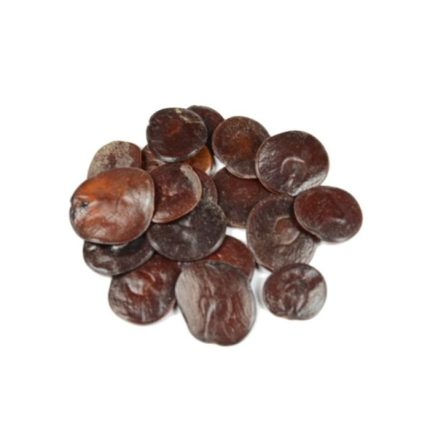
Anadenanthera colubrina (Cebil)
52.00€
Anadenanthera colubrina: A Resilient South American Tree with Deep Cultural Significance
Anadenanthera colubrina is a remarkable tree species native to South America, widely recognized for its ecological resilience and deep-rooted cultural importance. Commonly referred to as vilca or cebil, this tree has been present in traditional knowledge systems for centuries and continues to be studied in both botanical and ethnographic contexts.
Belonging to the Fabaceae family, this species shares characteristics with other leguminous trees, including its role in improving soil quality. It is commonly found in regions of Argentina, Bolivia, Brazil, Paraguay, and Peru, particularly in dry forest and savannah-like environments.
This plant stands out not only for its adaptability but also for its significance in cultural heritage and modern research discussions.
Why Anadenanthera colubrina Stands Out
Anadenanthera colubrina is notable for its unique combination of ecological and cultural features.
Here’s what makes it stand out:
-
strong connection to traditional South American cultures
-
ability to thrive in dry and semi-arid environments
-
part of the ecologically important Fabaceae family
-
recognized in ethnobotanical studies
-
distinctive seed pods and tree structure
These characteristics contribute to its importance across multiple fields.
Origin and Natural Habitat
This tree is native to South America and is commonly found in:
-
dry tropical forests
-
savannah regions
-
mountainous foothills
-
areas with seasonal rainfall
Unlike rainforest species that require constant moisture, this plant is well adapted to environments with alternating wet and dry seasons.
Its resilience allows it to survive in challenging conditions where many other species cannot thrive.
Physical Characteristics and Structure
Anadenanthera colubrina is a medium to large tree with a distinctive appearance.
Key characteristics include:
-
tall trunk with spreading branches
-
fern-like leaves typical of leguminous plants
-
elongated seed pods containing multiple seeds
-
rough, textured bark
The tree can grow to significant heights, making it a prominent feature in its natural habitat.
Botanical Classification and Scientific Interest
This plant belongs to the Fabaceae family, which includes many nitrogen-fixing species that improve soil fertility.
From a scientific perspective, it is studied for:
-
its role in soil enrichment
-
its adaptation to diverse environments
-
its chemical composition
-
its importance in biodiversity
Researchers often focus on plants like this to understand ecological sustainability and plant evolution.
Traditional and Cultural Significance
For centuries, Anadenanthera colubrina has held cultural importance in various South American societies. Its seeds and other parts have been referenced in traditional practices and historical records.
Cultural relevance includes:
-
use in traditional ceremonies
-
preservation of indigenous knowledge
-
symbolic importance in certain cultures
-
integration into regional heritage
This deep cultural connection highlights the importance of respecting traditional practices and knowledge systems.
Role in the Ecosystem
Anadenanthera colubrina plays an essential role in maintaining ecological balance.
Its contributions include:
-
improving soil fertility through nitrogen fixation
-
supporting biodiversity
-
providing habitat for wildlife
-
stabilizing soil in dry regions
These functions make it valuable in both natural and restored ecosystems.
Research and Modern Interest
In recent years, this tree has gained increased attention in scientific and academic research.
Areas of interest include:
-
ethnobotanical studies
-
plant-based compound research
-
ecological restoration
-
sustainable use of natural resources
This growing interest reflects its importance in both traditional and modern contexts.
Handling and Study Considerations
In research environments, proper handling of plant materials is essential.
Important considerations include:
-
ethical sourcing practices
-
accurate identification and documentation
-
proper storage of plant samples
-
adherence to environmental guidelines
These practices ensure responsible study and conservation.
Why This Type of Content Helps Your Store Grow
For e-commerce platforms, detailed informational pages like this provide strong SEO advantages:
-
improved search engine rankings
-
increased authority in your niche
-
better user engagement
-
long-term organic traffic growth
This strategy supports sustainable online growth while maintaining compliance.
Conclusion
The diversity of South American flora offers valuable insight into nature and culture, and Anadenanthera colubrina stands out as one of the most significant species. With its resilience, ecological importance, and deep cultural roots, it continues to attract attention across multiple fields.
Related products



Reviews
There are no reviews yet.